 ×
×
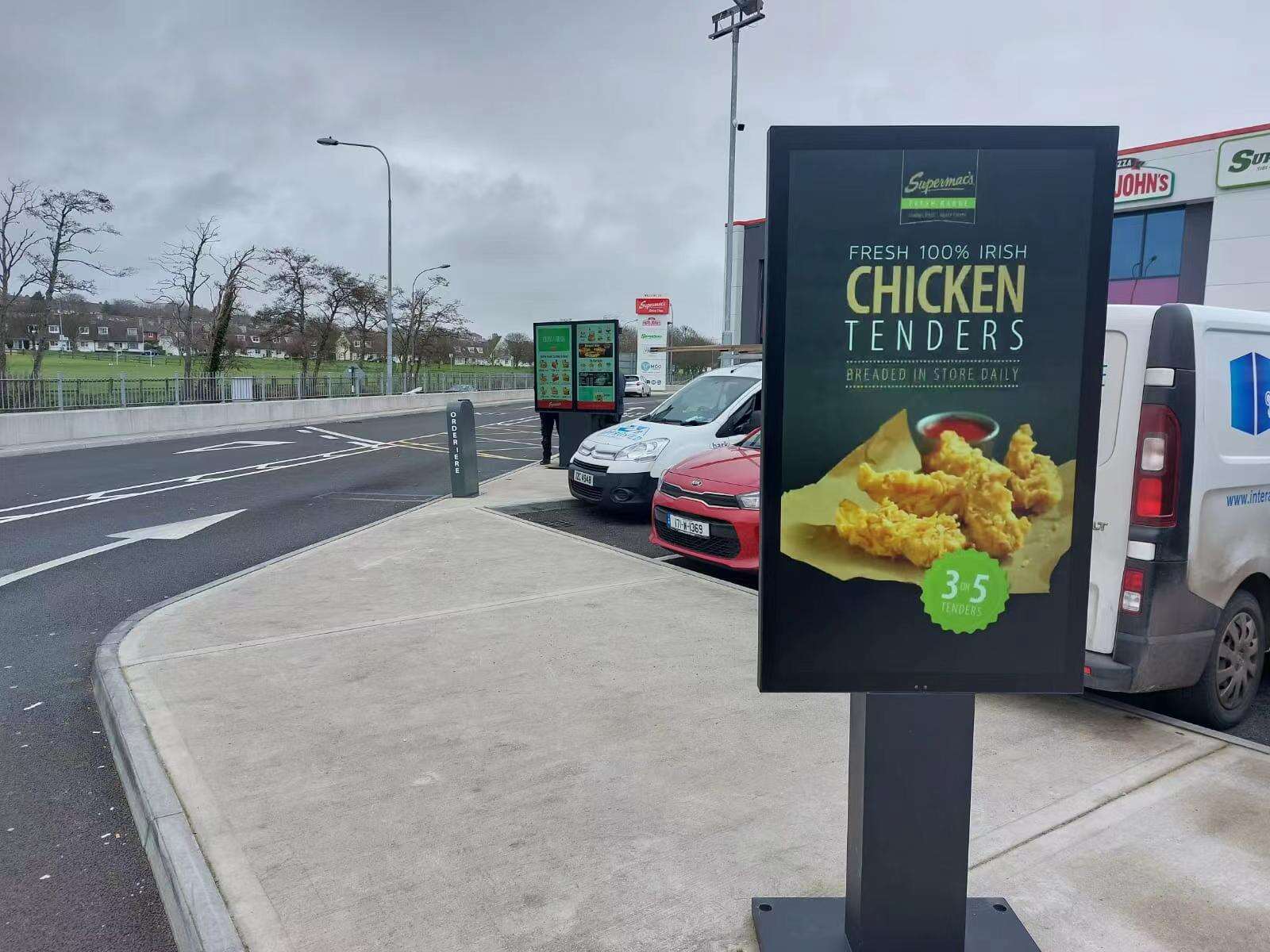
Modern advertising landscapes have transformed dramatically with the rise of digital technology, creating unprecedented opportunities for businesses to engage their target audiences. Among the most revolutionary developments in this space, outdoor digital displays have emerged as powerful tools that combine visual impact with strategic placement to deliver messages directly to consumers in high-traffic environments. These dynamic advertising solutions represent a significant evolution from traditional static billboards, offering real-time content updates, enhanced visibility, and measurable engagement metrics that traditional advertising methods simply cannot match.
The transition from traditional static billboards to digital alternatives represents one of the most significant shifts in advertising history. Static outdoor advertising, while effective for decades, suffered from inherent limitations including fixed messaging, weather vulnerability, and inability to adapt to real-time market conditions. Digital displays have fundamentally addressed these challenges by introducing programmable content that can be updated instantly, weather-resistant designs, and sophisticated scheduling capabilities that allow advertisers to tailor messages to specific times, demographics, or environmental conditions.
Contemporary outdoor digital displays utilize advanced LED technology, high-resolution screens, and intelligent content management systems to deliver crystal-clear imagery even in direct sunlight. These technological advancements have created advertising opportunities that were previously impossible, enabling brands to showcase video content, animated graphics, and interactive elements that capture attention more effectively than static alternatives. The ability to rotate multiple advertisements on a single display also maximizes revenue potential for advertising space owners while providing cost-effective solutions for businesses with varying budget constraints.
Modern urban environments increasingly incorporate outdoor digital displays as integral components of smart city infrastructure, creating synergies between public information systems and commercial advertising. These displays serve dual purposes by providing essential public information such as weather updates, traffic conditions, emergency alerts, and community announcements while simultaneously generating revenue through targeted advertising placements. This integration represents a sustainable model that benefits municipalities, businesses, and citizens alike.
The convergence of outdoor digital displays with Internet of Things (IoT) technology has enabled sophisticated data collection and analysis capabilities that inform both urban planning decisions and advertising strategies. Environmental sensors, traffic monitoring systems, and demographic analysis tools work in conjunction with digital displays to optimize content delivery based on real-time conditions. This technological ecosystem creates unprecedented opportunities for advertisers to reach specific audiences with precisely timed and contextually relevant messages.
The strategic deployment of outdoor digital displays enables advertisers to achieve unprecedented levels of audience targeting and engagement through advanced analytics and behavioral tracking technologies. Unlike traditional media channels that rely on broad demographic assumptions, digital outdoor advertising can leverage real-time data to identify optimal timing, location, and content combinations that maximize viewer engagement and conversion rates. This data-driven approach allows businesses to allocate advertising budgets more efficiently while achieving measurably better results.
Interactive capabilities built into modern outdoor digital displays create opportunities for two-way communication between brands and consumers, fostering deeper engagement than passive advertising formats. Touch-screen functionality, QR code integration, and mobile device connectivity enable viewers to interact directly with advertisements, access additional information, make purchases, or participate in promotional activities. These interactive elements transform outdoor advertising from a one-way broadcast medium into a dynamic engagement platform that can drive immediate action and measurable business outcomes.
Financial considerations play a crucial role in advertising strategy development, and outdoor digital displays offer compelling cost-effectiveness advantages compared to traditional advertising channels. While initial investment costs may appear higher than static alternatives, the long-term operational benefits including reduced printing costs, elimination of physical installation labor, and ability to sell multiple advertising slots on single displays create favorable return on investment scenarios. Additionally, the extended lifespan of quality digital displays, often exceeding ten years with proper maintenance, provides sustained value that traditional printed materials cannot match.
The flexibility inherent in digital advertising platforms allows businesses to optimize their advertising spend through real-time performance monitoring and content adjustment capabilities. Campaigns that underperform can be immediately modified or replaced without incurring additional production costs, while successful advertisements can be extended or replicated across multiple locations. This agility enables advertisers to maximize their marketing efficiency and respond quickly to market changes, competitive pressures, or seasonal opportunities.
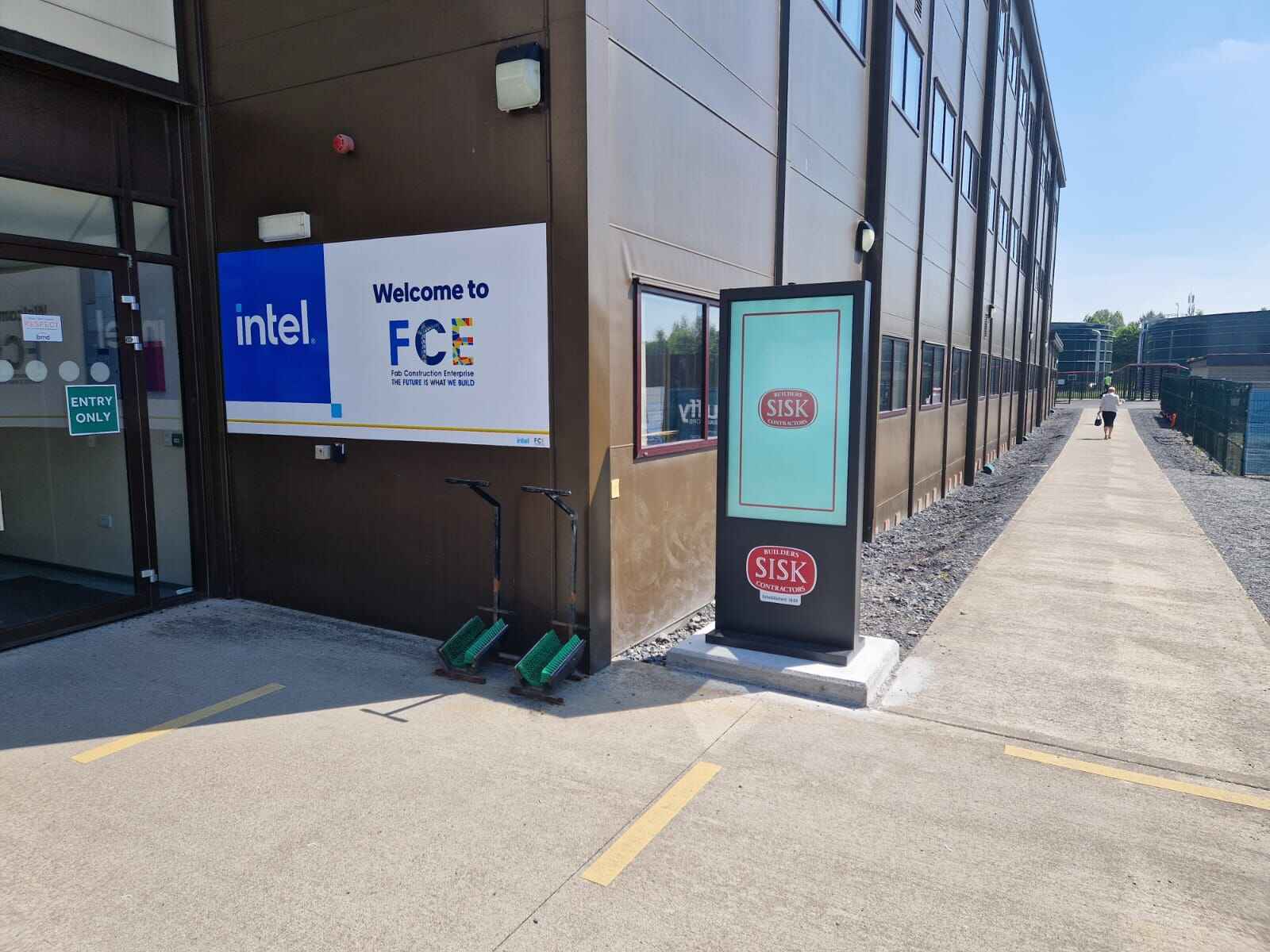
Professional-grade outdoor digital displays must meet stringent technical specifications to ensure reliable performance in challenging environmental conditions. High-brightness LED technology, typically ranging from 3,000 to 8,000 nits, ensures visibility in direct sunlight while maintaining energy efficiency standards that minimize operational costs. Advanced cooling systems, weatherproof enclosures, and surge protection mechanisms protect sensitive electronic components from temperature fluctuations, moisture, dust, and electrical disturbances that could compromise system reliability.
Color accuracy and image quality represent critical factors in outdoor digital display performance, as variations in ambient lighting conditions can significantly impact visual perception. Modern displays incorporate automatic brightness adjustment sensors, color temperature compensation, and wide viewing angle technologies to maintain consistent image quality throughout varying environmental conditions. These technical features ensure that advertising content maintains its intended visual impact regardless of time of day, weather conditions, or viewing position.
Robust connectivity infrastructure forms the backbone of effective outdoor digital display networks, enabling remote content management, real-time updates, and performance monitoring capabilities. Cloud-based content management systems provide advertisers with intuitive interfaces for scheduling campaigns, monitoring display performance, and analyzing audience engagement metrics from any location with internet access. These systems typically support multiple content formats including high-definition video, static images, animated graphics, and interactive applications.
Network security considerations are paramount in outdoor digital display deployments, as these systems often connect to corporate networks and handle sensitive advertising content. Advanced encryption protocols, secure VPN connections, and multi-factor authentication systems protect against unauthorized access while ensuring reliable content delivery. Regular security updates and monitoring services help maintain system integrity and protect against emerging cyber threats that could compromise advertising campaigns or expose sensitive business information.
Environmental responsibility has become increasingly important in advertising technology selection, driving demand for energy-efficient outdoor digital displays that minimize carbon footprints while maintaining high performance standards. Modern LED display technologies consume significantly less electricity than previous generation alternatives, with many systems incorporating solar panel integration, battery backup systems, and intelligent power management features that further reduce environmental impact. These green technology implementations appeal to environmentally conscious businesses while reducing long-term operational costs.
Lifecycle management considerations for outdoor digital displays include responsible manufacturing processes, recyclable component materials, and end-of-life disposal programs that minimize environmental impact. Leading manufacturers increasingly adopt sustainable production methods, utilize recycled materials where possible, and provide comprehensive recycling programs for obsolete equipment. This holistic approach to environmental responsibility aligns with corporate sustainability goals while supporting regulatory compliance requirements in environmentally conscious markets.
Successful outdoor digital display deployments require careful consideration of local regulations, zoning requirements, and community acceptance factors that can impact project viability. Municipal authorities typically establish guidelines regarding display brightness levels, content restrictions, operating hours, and structural requirements that must be incorporated into project planning processes. Proactive engagement with local stakeholders, including residents, business associations, and government officials, helps ensure successful project implementation and long-term community support.
Light pollution concerns have prompted the development of sophisticated brightness control systems that automatically adjust display intensity based on ambient conditions and time of day. These systems help outdoor digital displays coexist harmoniously with residential areas while maintaining advertising effectiveness during peak viewing periods. Advanced scheduling capabilities allow displays to reduce brightness or power down completely during overnight hours, demonstrating consideration for community concerns while maintaining operational flexibility.
Retail environments have embraced outdoor digital displays as essential tools for attracting foot traffic, promoting seasonal sales, and enhancing brand visibility in competitive markets. Shopping centers, standalone retail locations, and restaurant chains utilize strategically placed displays to showcase promotional offers, new product launches, and time-sensitive deals that drive immediate customer action. The ability to update content in real-time enables retailers to respond quickly to inventory changes, competitor activities, or unexpected promotional opportunities.
Restaurant and hospitality industries have found particular success with outdoor digital displays for menu presentation, wait time communication, and promotional messaging. Drive-through operations benefit significantly from high-resolution displays that remain clearly visible in varying weather conditions while providing dynamic menu options that can be updated based on ingredient availability, time of day, or special promotions. These applications demonstrate the versatility of outdoor digital displays across diverse commercial sectors.
Transportation hubs including airports, train stations, bus terminals, and highway rest areas represent high-value locations for outdoor digital displays due to consistent foot traffic and extended viewing times. These environments enable advertisers to reach diverse audiences including business travelers, commuters, and tourists with targeted messaging that can be customized based on travel patterns, seasonal trends, or local events. The captive audience nature of transportation environments creates optimal conditions for advertising message retention and brand awareness building.
Public infrastructure applications for outdoor digital displays extend beyond commercial advertising to include essential services such as emergency communications, public health announcements, and community event promotion. This dual-purpose functionality creates sustainable revenue models for municipal authorities while providing valuable public services. Integration with emergency management systems enables instant communication during crisis situations, making outdoor digital displays essential components of modern public safety infrastructure.
The integration of artificial intelligence and machine learning technologies with outdoor digital displays represents the next frontier in advertising optimization and audience engagement. AI-powered systems can analyze demographic data, environmental conditions, traffic patterns, and historical performance metrics to automatically optimize content selection, timing, and placement decisions without human intervention. These intelligent systems continuously learn from audience responses and environmental factors to improve advertising effectiveness over time.
Facial recognition and demographic analysis capabilities, where legally permitted and properly implemented, enable outdoor digital displays to adapt content in real-time based on viewer characteristics such as age groups, gender distribution, and attention levels. This personalization capability creates opportunities for highly targeted advertising that rivals online marketing effectiveness while maintaining the broad reach advantages of outdoor media. Privacy protection measures and regulatory compliance requirements continue to evolve alongside these technological capabilities.
Augmented reality integration with outdoor digital displays creates immersive advertising experiences that blur the boundaries between digital and physical environments. Mobile device integration enables viewers to interact with display content through smartphone applications, creating layered information experiences that extend advertising engagement beyond the physical display location. These technologies enable innovative marketing campaigns that encourage social media sharing and viral marketing amplification.
Gesture recognition, voice interaction, and proximity sensing technologies are expanding the interactive capabilities of outdoor digital displays beyond traditional touch-screen interfaces. These contactless interaction methods became particularly relevant following public health considerations and continue to offer enhanced user experiences that accommodate diverse accessibility requirements. The evolution of interaction technologies creates new opportunities for engaging advertising formats that encourage active participation rather than passive viewing.
High-quality outdoor digital displays typically last 8-12 years with proper maintenance, though LED panels can maintain optimal performance for up to 100,000 operating hours. Regular maintenance includes cleaning screens monthly, checking connections quarterly, updating software as needed, and annual professional inspections of weatherproofing seals and cooling systems. Preventive maintenance programs significantly extend equipment lifespan while minimizing unexpected downtime and repair costs.
Modern outdoor digital displays are engineered to operate reliably in temperatures ranging from -40°F to 140°F with IP65 or higher weatherproof ratings that protect against rain, snow, dust, and humidity. Advanced thermal management systems include heating elements for cold climates and cooling systems for hot environments. High-brightness LED technology ensures visibility even in direct sunlight, while tempered glass and reinforced enclosures provide protection against hail, wind, and impact damage.
Location selection requires analysis of traffic patterns, sight lines, local regulations, power availability, and network connectivity options. High-traffic areas with good visibility from multiple directions provide optimal exposure, while proximity to complementary businesses can enhance advertising effectiveness. Considerations include viewing distances, approach angles, competing visual elements, and seasonal factors that might affect visibility or audience patterns throughout the year.
While initial investment costs for outdoor digital displays exceed traditional static signage, the long-term cost per impression is typically lower due to elimination of printing and installation costs for campaign changes, ability to sell multiple advertising slots, and extended equipment lifespan. Digital displays offer measurable engagement metrics, real-time campaign optimization, and immediate content updates that provide significant advantages over traditional methods. Return on investment typically occurs within 2-4 years depending on location and utilization rates.
Copyright © 2025 Shenzhen YJCen Technology CO.,Ltd. All rights reserved. - Privacy policy

 EN
EN

