How Do Digital Screens Enhance Customer Experience?
In today’s competitive business landscape, customer experience has become the defining factor that separates successful establishments from those struggling to maintain relevance. Modern consumers expect seamless, engaging, and personalized interactions with brands, particularly in retail and hospitality environments. The integration of digital technology into customer-facing operations has revolutionized how businesses communicate with their audiences, with digital displays leading this transformation. These sophisticated systems offer unprecedented flexibility, real-time updates, and interactive capabilities that traditional static signage simply cannot match.

Digital screen solutions have fundamentally changed how customers perceive and interact with businesses across various industries. From quick-service restaurants to upscale retail boutiques, these advanced display systems create immersive environments that capture attention, convey information effectively, and ultimately drive purchasing decisions. The strategic implementation of digital screens represents more than just a technological upgrade—it signifies a commitment to meeting evolving customer expectations while positioning businesses for long-term success in an increasingly digital marketplace.
The Evolution of Digital Display Technology in Customer Service
Historical Context and Market Development
The journey from static signage to dynamic digital displays represents one of the most significant technological shifts in customer communication. Traditional printed materials, while cost-effective initially, presented numerous limitations including update delays, weather damage, and limited visual appeal. Early digital displays emerged in the 1990s, primarily featuring basic LED technology with limited color capabilities and resolution constraints. However, rapid technological advancement has transformed these rudimentary systems into sophisticated platforms capable of delivering high-definition content, interactive experiences, and real-time data integration.
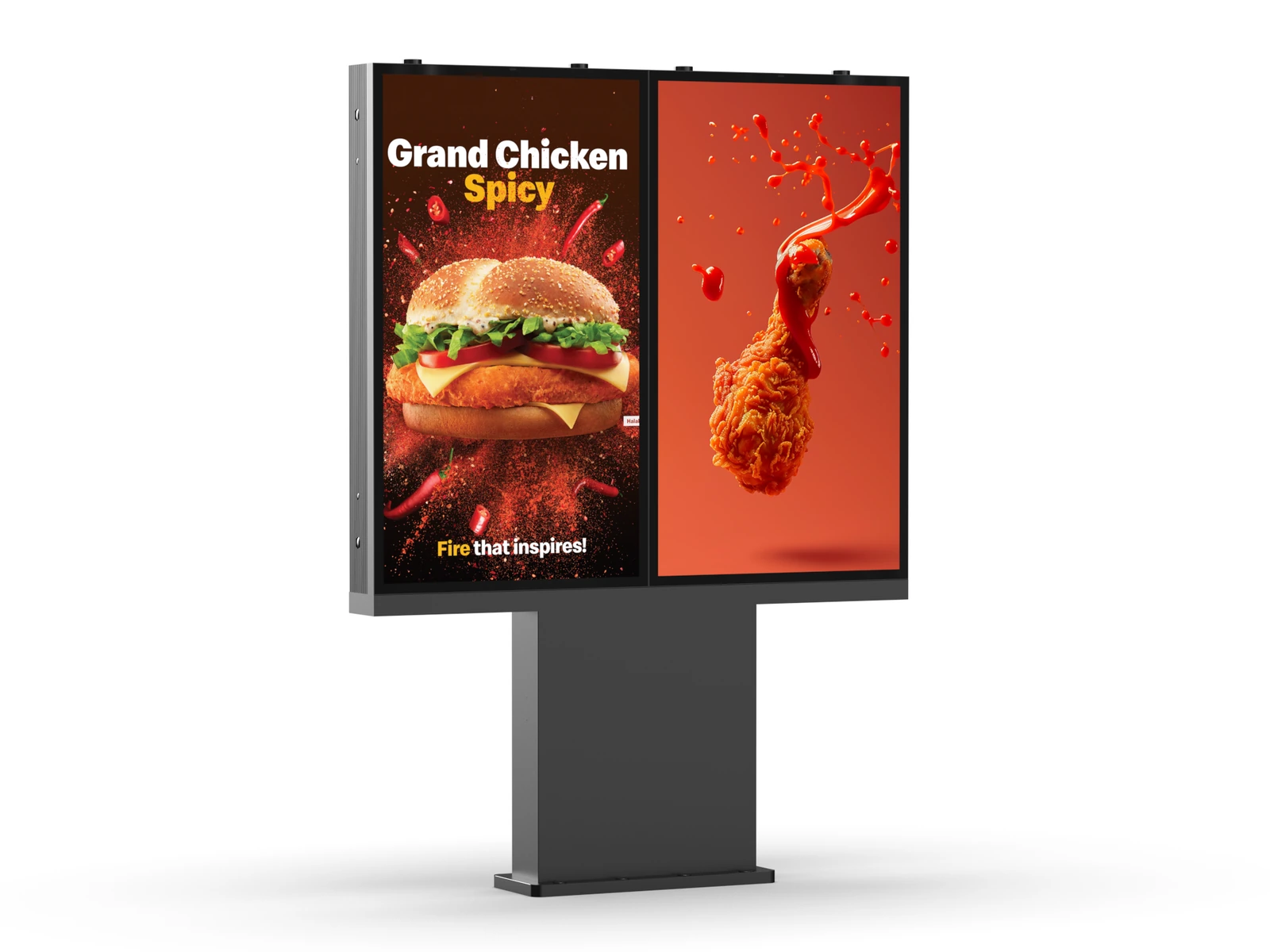
Modern digital screen menu board systems represent the culmination of decades of technological refinement, incorporating advanced LCD and OLED technologies, cloud-based content management, and artificial intelligence capabilities. These systems now offer unprecedented flexibility, allowing businesses to update content instantly, personalize messaging based on customer demographics, and integrate with existing point-of-sale systems for seamless operational efficiency. The evolution continues as manufacturers develop increasingly sophisticated features including facial recognition, predictive analytics, and augmented reality integration.
Current Market Trends and Adoption Rates
Industry research indicates that digital signage market adoption has accelerated dramatically, with global revenues projected to exceed $31 billion by 2025. This growth stems from businesses recognizing the tangible benefits of digital display systems in enhancing customer engagement and operational efficiency. Quick-service restaurants lead adoption rates, with over 70% of major chains implementing digital screen menu board solutions to streamline ordering processes and reduce perceived wait times. Retail environments follow closely, utilizing digital displays for promotional campaigns, wayfinding, and product information dissemination.
The acceleration of digital adoption has been particularly pronounced following global pandemic impacts, as businesses sought contactless solutions to maintain customer safety while preserving service quality. Touch-free interfaces, QR code integration, and mobile connectivity have become standard features in modern digital screen implementations. Healthcare facilities, educational institutions, and corporate environments have similarly embraced digital signage technology to improve communication efficiency and enhance visitor experiences through interactive directories, real-time updates, and emergency notification capabilities.
Enhancing Visual Communication Through Digital Screens
Dynamic Content Presentation Capabilities
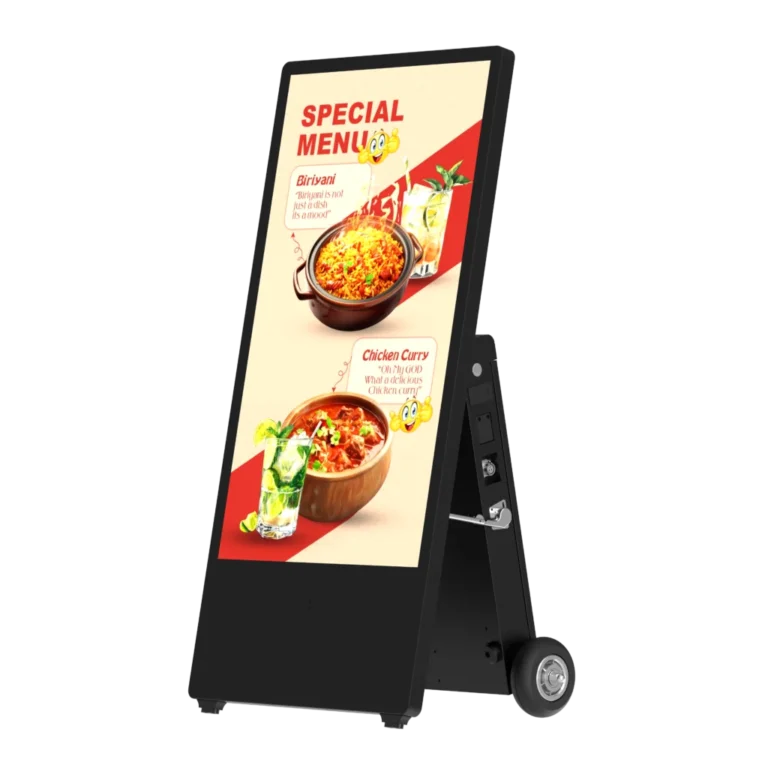
Digital screens excel in capturing and maintaining customer attention through dynamic content presentation that static signage cannot replicate. High-resolution displays showcase products, services, and promotional materials with vibrant colors, smooth animations, and engaging video content that creates memorable visual experiences. The ability to incorporate motion graphics, product demonstrations, and lifestyle imagery helps businesses tell compelling stories that resonate with their target audiences. Digital screen menu board implementations particularly benefit from this capability, displaying appetizing food imagery, nutritional information, and special offers with visual appeal that drives purchasing decisions.
Advanced content management systems enable businesses to schedule different presentations throughout the day, adapting messaging to match customer demographics, seasonal trends, and promotional campaigns. Morning coffee promotions can seamlessly transition to lunch specials, while evening content can highlight dinner options and beverage pairings. This temporal flexibility ensures that messaging remains relevant and timely, maximizing the impact of each customer interaction. The integration of weather data, social media feeds, and local events further personalizes the experience, creating contextually relevant content that enhances customer engagement.
Real-Time Information Updates and Flexibility
One of the most significant advantages of digital display systems is their ability to provide real-time information updates without physical intervention or production delays. Restaurants can instantly modify pricing, remove unavailable items, or highlight new menu additions without the cost and time investment required for traditional printed materials. This flexibility proves particularly valuable during peak seasons, special events, or supply chain disruptions when rapid menu adjustments become necessary for operational efficiency.
Cloud-based content management platforms enable remote updates across multiple locations simultaneously, ensuring brand consistency while allowing for location-specific customization. Corporate chains benefit tremendously from this capability, maintaining centralized control over messaging while empowering local managers to address specific market conditions or inventory situations. Emergency updates, such as allergy warnings or temporary closures, can be implemented instantly across entire networks, demonstrating the critical operational value of digital screen technology in modern business environments.
Interactive Features and Customer Engagement
Touch-Screen Functionality and User Interface Design
Interactive digital screens transform passive viewing experiences into engaging customer interactions that facilitate exploration, customization, and decision-making processes. Touch-screen capabilities enable customers to browse product catalogs, configure orders, access detailed information, and complete transactions independently. Well-designed user interfaces incorporate intuitive navigation, clear visual hierarchies, and responsive feedback mechanisms that guide customers through desired actions while minimizing confusion or frustration.
Modern digital screen menu board systems feature sophisticated touch interfaces that accommodate various customer preferences and accessibility requirements. Large, clearly labeled buttons ensure ease of use for customers with different technical comfort levels, while multi-language support broadens accessibility for diverse communities. Visual feedback, including highlighting and confirmation messages, reassures customers throughout the interaction process, building confidence and reducing abandonment rates during ordering or information gathering activities.
Integration with Mobile Technology and Apps
The convergence of digital screens with mobile technology creates seamless omnichannel experiences that meet modern customer expectations for convenience and personalization. QR code integration allows customers to continue interactions on their personal devices, accessing detailed product information, nutritional data, or promotional offers without congesting physical spaces. Mobile app connectivity enables features such as remote ordering, loyalty program integration, and personalized recommendations based on previous purchase history.
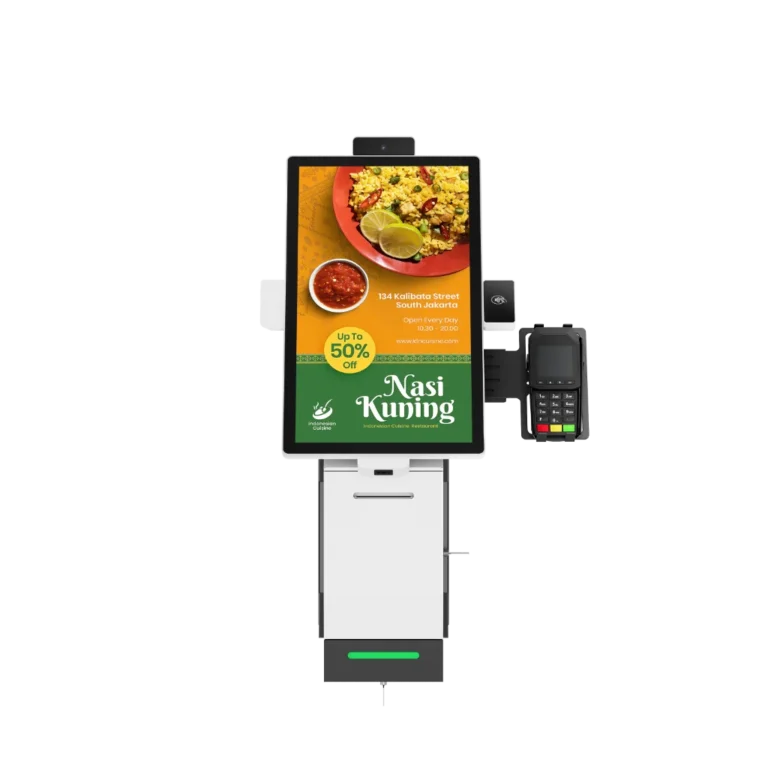
Advanced implementations incorporate near-field communication (NFC) technology, allowing customers to interact with digital displays simply by tapping their smartphones. This connectivity extends beyond simple information sharing to include payment processing, loyalty point redemption, and social media integration. Customers can share their experiences, access exclusive mobile-only offers, or receive personalized recommendations based on their location and purchase history, creating a comprehensive digital ecosystem that enhances satisfaction and encourages repeat visits.
Operational Efficiency and Business Benefits
Streamlined Ordering Processes and Queue Management
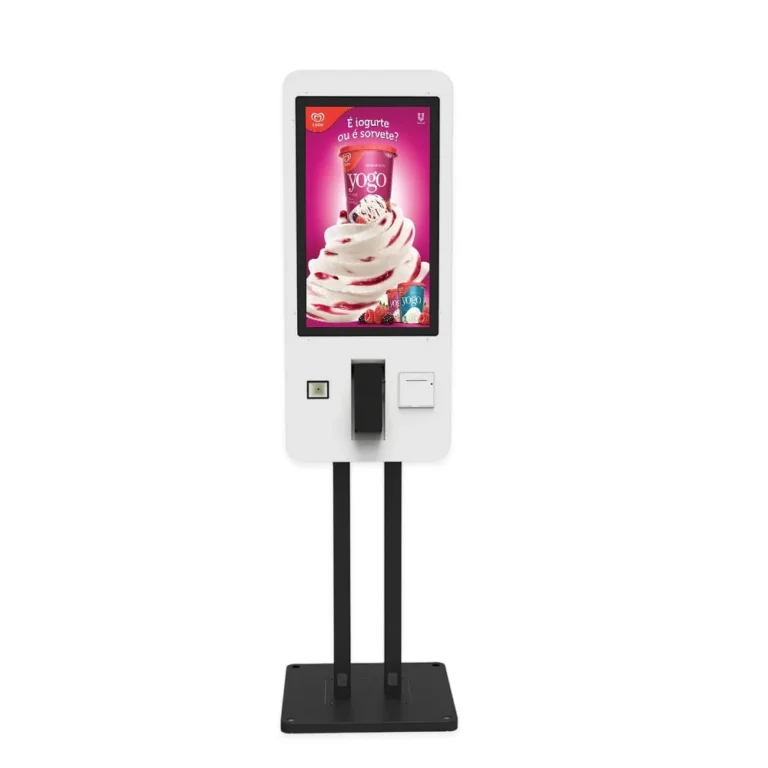
Digital screen implementations significantly improve operational efficiency by streamlining customer ordering processes and reducing service bottlenecks. Self-service kiosks and interactive displays enable customers to browse options, customize orders, and complete transactions independently, reducing the workload on staff while improving order accuracy. This automation proves particularly valuable during peak hours when traditional service models may struggle to accommodate high customer volumes efficiently.
Queue management systems integrated with digital displays provide real-time wait time estimates, helping customers make informed decisions about their visit timing while reducing perceived wait times through engaging content presentation. Digital screen menu board systems can display estimated preparation times for different items, enabling customers to make choices that align with their schedule constraints. This transparency builds trust and satisfaction while allowing businesses to optimize kitchen workflows and staff allocation based on real-time demand patterns.
Cost Reduction and Environmental Sustainability
The long-term financial benefits of digital screen technology extend far beyond initial investment costs, delivering substantial savings through reduced printing expenses, labor costs, and waste generation. Traditional menu updates require design, printing, and installation processes that consume time and resources while generating environmental waste. Digital systems eliminate these recurring costs while enabling unlimited updates and modifications without additional material expenses.
Environmental sustainability benefits align with growing consumer consciousness about corporate responsibility and environmental stewardship. Digital screen menu board installations reduce paper consumption, chemical waste from printing processes, and transportation costs associated with physical material distribution. Energy-efficient LED backlighting and power management features minimize operational costs while supporting corporate sustainability initiatives that increasingly influence consumer purchasing decisions and brand loyalty.
Industry-Specific Applications and Case Studies
Restaurant and Food Service Implementation
The food service industry has emerged as the primary adopter of digital screen menu board technology, driven by the need for operational efficiency and enhanced customer experiences. Quick-service restaurants utilize digital displays to showcase appetizing food imagery, highlight promotional offers, and provide nutritional information that supports informed customer decision-making. The ability to update pricing, modify offerings, and promote limited-time specials in real-time provides competitive advantages that translate directly into increased sales and customer satisfaction.
Full-service restaurants implement digital screens for reservation management, wait time communication, and entertainment content that enhances the dining experience while customers await seating. Wine lists, chef specials, and pairing recommendations can be updated instantly to reflect inventory availability and seasonal offerings. Integration with kitchen management systems enables real-time availability updates, preventing customer disappointment from unavailable items while optimizing inventory management and reducing food waste.
Retail and Commercial Applications
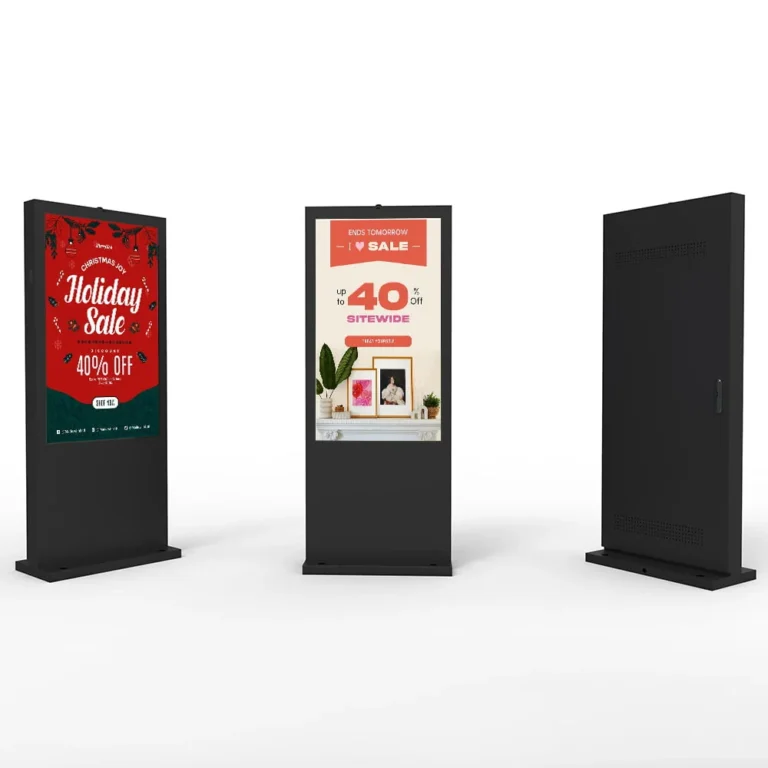
Retail environments leverage digital screen technology to create immersive shopping experiences that inform, inspire, and influence purchasing decisions. Digital displays showcase product features, demonstrate usage scenarios, and provide comparison information that helps customers make confident purchase decisions. Seasonal promotions, flash sales, and inventory clearance events can be implemented instantly across entire retail networks, maximizing revenue opportunities while maintaining brand consistency.
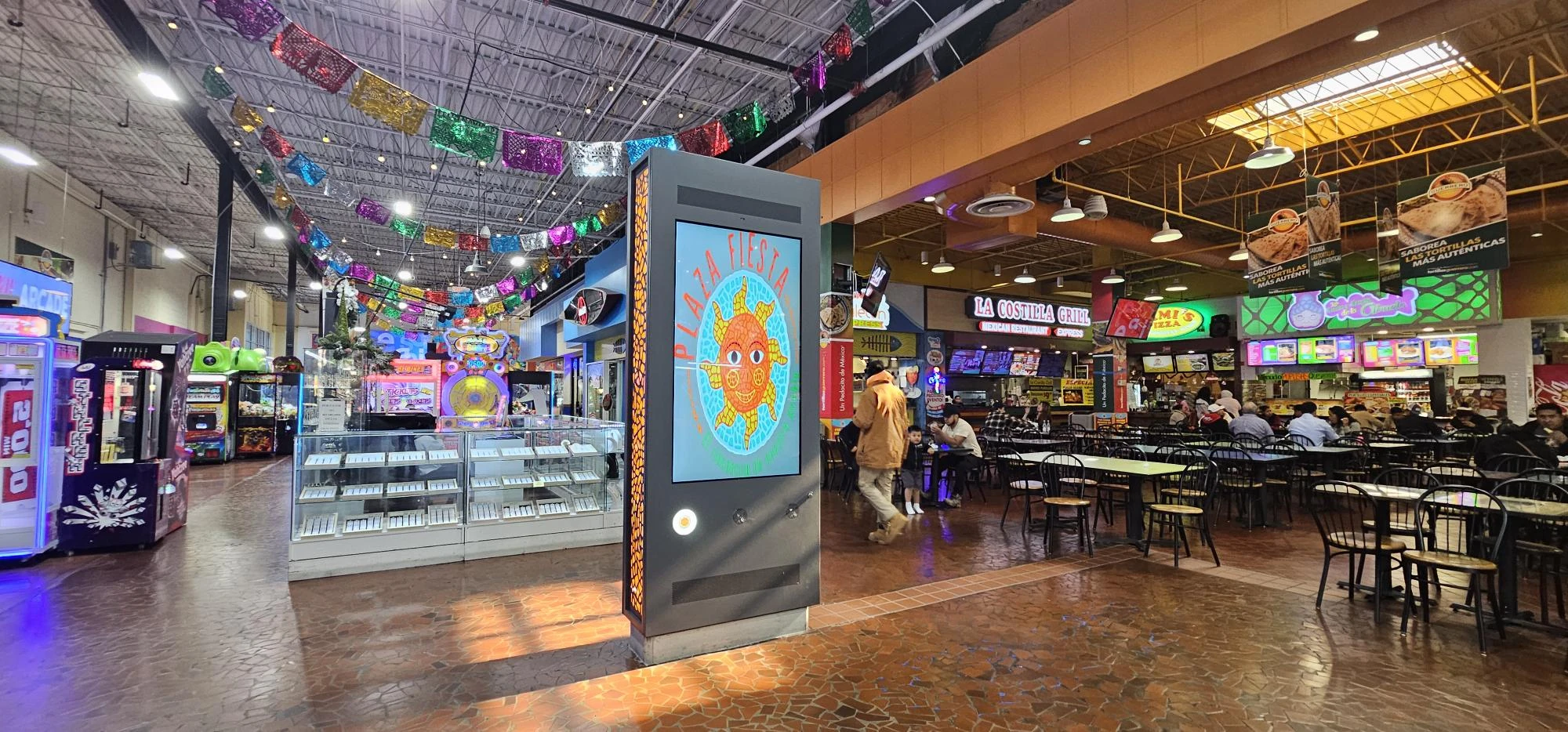
Shopping centers and department stores utilize digital directories and wayfinding systems that enhance customer navigation while providing advertising opportunities for tenant businesses. Interactive store locators, promotional announcements, and event information create value for both shoppers and retailers. The integration of analytics capabilities enables retailers to measure content effectiveness, customer engagement patterns, and purchasing correlations that inform future marketing strategies and inventory decisions.
Technology Integration and Future Innovations
Artificial Intelligence and Predictive Analytics
The integration of artificial intelligence capabilities into digital screen systems represents the next frontier in customer experience enhancement. Machine learning algorithms analyze customer behavior patterns, demographic data, and environmental factors to automatically optimize content presentation and promotional strategies. Facial recognition technology can identify returning customers and display personalized recommendations based on previous purchases or preferences, creating highly targeted marketing experiences that increase conversion rates.
Predictive analytics capabilities enable businesses to anticipate customer needs and adjust messaging accordingly. Weather forecasting integration can promote appropriate beverages during temperature changes, while seasonal trend analysis can highlight relevant products before customer demand peaks. These intelligent systems continuously learn from customer interactions, refining their recommendations and improving effectiveness over time. Digital screen menu board systems equipped with AI capabilities can suggest complementary items, upsell premium options, and optimize pricing strategies based on real-time demand analysis.
Emerging Technologies and Future Trends
Emerging technologies including augmented reality (AR), virtual reality (VR), and holographic displays promise to further revolutionize customer engagement through immersive experiences that blur the boundaries between physical and digital environments. AR integration allows customers to visualize products in their own spaces, try virtual samples, or access additional information by pointing their devices at digital screens. These capabilities create engaging experiences that increase dwell time and purchase likelihood while differentiating businesses from competitors.
Internet of Things (IoT) connectivity enables digital screens to interact with other smart devices, sensors, and systems throughout business environments. Temperature sensors can trigger beverage promotions during hot weather, while inventory management systems can automatically remove unavailable items from displays. Voice recognition and natural language processing capabilities are emerging as alternative interaction methods that accommodate customers with mobility limitations or those preferring hands-free experiences. These technological advances continue expanding the possibilities for creating personalized, efficient, and memorable customer interactions.
Implementation Considerations and Best Practices
Strategic Planning and Content Strategy
Successful digital screen implementations require comprehensive strategic planning that aligns technology capabilities with business objectives and customer needs. Content strategy development must consider brand messaging, target demographics, operational workflows, and performance metrics that define success. Regular content audits ensure messaging remains fresh, relevant, and aligned with current promotional campaigns or seasonal trends. Digital screen menu board content should balance informational requirements with visual appeal, ensuring customers can quickly locate desired information while being exposed to promotional opportunities.
Staff training programs ensure team members can effectively manage, update, and troubleshoot digital screen systems while maintaining consistent customer service standards. Change management processes help organizations adapt workflows, responsibilities, and performance metrics to maximize the benefits of digital screen technology. Regular performance reviews and customer feedback collection provide insights for continuous improvement and optimization of content strategies, ensuring long-term success and return on investment.
Technical Specifications and Maintenance Requirements
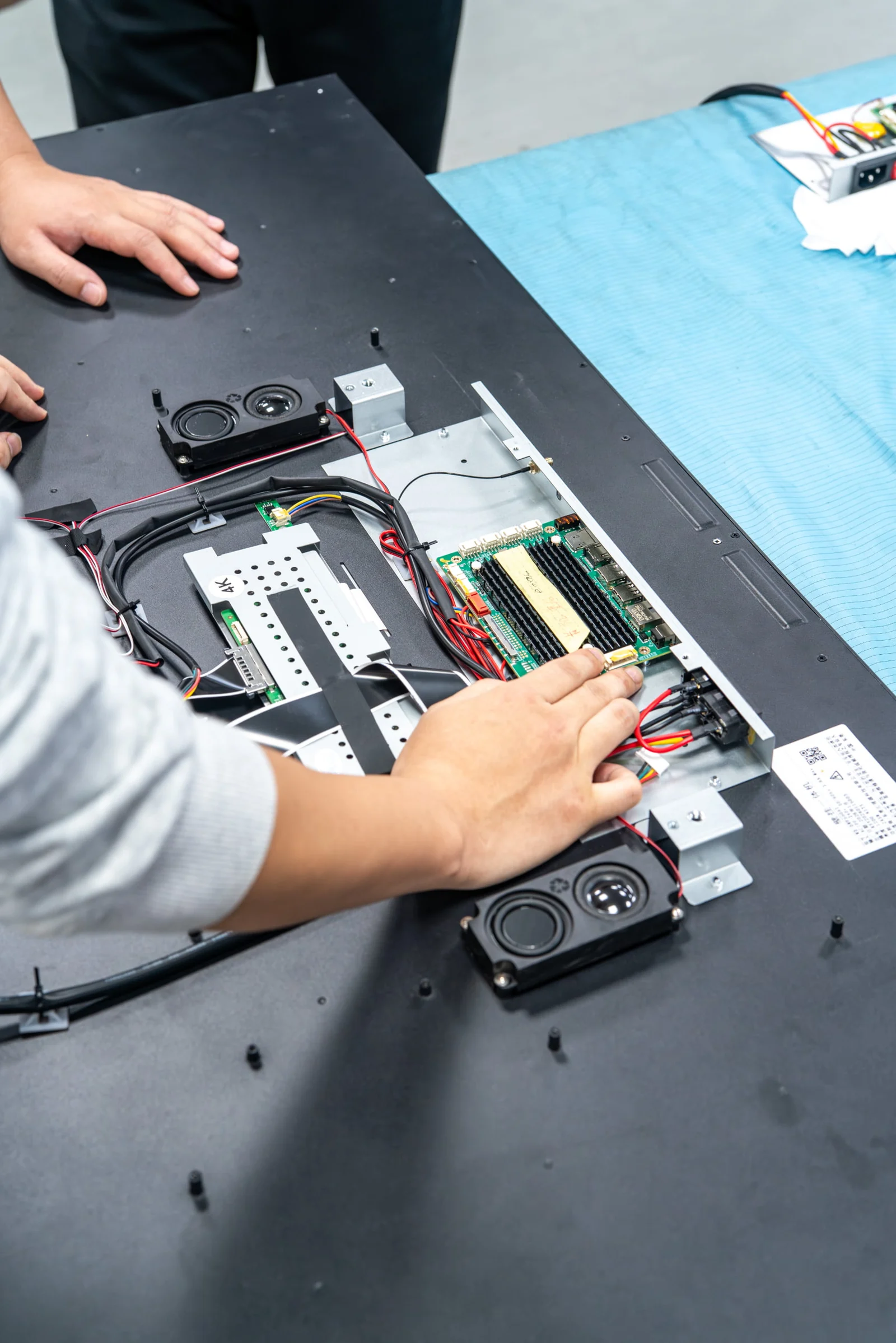
Hardware selection criteria must balance performance requirements, environmental conditions, and budget constraints to ensure optimal functionality and longevity. Screen size, resolution, brightness, and viewing angle specifications should match intended usage patterns and physical installation environments. Commercial-grade displays offer superior durability, longer operational lifespans, and better warranty coverage compared to consumer-grade alternatives, providing better long-term value despite higher initial costs.
Regular maintenance schedules, software updates, and content backup procedures ensure reliable operation and minimize downtime that could negatively impact customer experiences. Network connectivity requirements, security protocols, and remote management capabilities facilitate efficient operation while protecting sensitive business information. Professional installation and ongoing technical support services help businesses maximize their digital screen investments while minimizing operational disruptions during implementation and maintenance activities.
FAQ
What are the primary benefits of implementing digital screen menu board systems?
Digital screen menu board systems offer numerous advantages including real-time content updates, reduced printing costs, enhanced visual appeal, improved customer engagement, operational efficiency through self-service capabilities, and environmental sustainability benefits. These systems enable businesses to instantly modify pricing, highlight specials, remove unavailable items, and customize content for different times of day or customer demographics. The dynamic presentation capabilities create more engaging customer experiences while streamlining operations and reducing long-term operational costs.
How do digital screens improve customer wait time perception and overall satisfaction?
Digital screens significantly improve customer satisfaction by providing engaging content that reduces perceived wait times through entertainment, information, and interactive features. Real-time queue management information helps customers make informed decisions about their visit timing, while dynamic content keeps them engaged during waiting periods. The professional appearance and modern functionality of digital systems also enhance brand perception and customer confidence in the business’s commitment to quality and innovation.
What technical requirements are necessary for successful digital screen implementation?
Successful digital screen implementation requires reliable internet connectivity, appropriate electrical infrastructure, professional-grade display hardware rated for commercial use, content management software, and ongoing technical support. Screen placement should consider viewing angles, lighting conditions, and customer traffic patterns. Network security measures, regular software updates, and backup procedures ensure reliable operation while protecting business information and maintaining consistent customer experiences.
How can businesses measure the return on investment for digital screen systems?
ROI measurement for digital screen systems includes tracking metrics such as increased sales per customer, reduced printing and signage costs, improved operational efficiency, customer satisfaction scores, and staff productivity improvements. Analytics capabilities built into modern systems provide detailed insights into content effectiveness, customer engagement patterns, and purchasing correlations. Comparing pre and post-implementation performance across these metrics provides comprehensive ROI assessment that justifies the technology investment and guides optimization strategies.