 ×
×
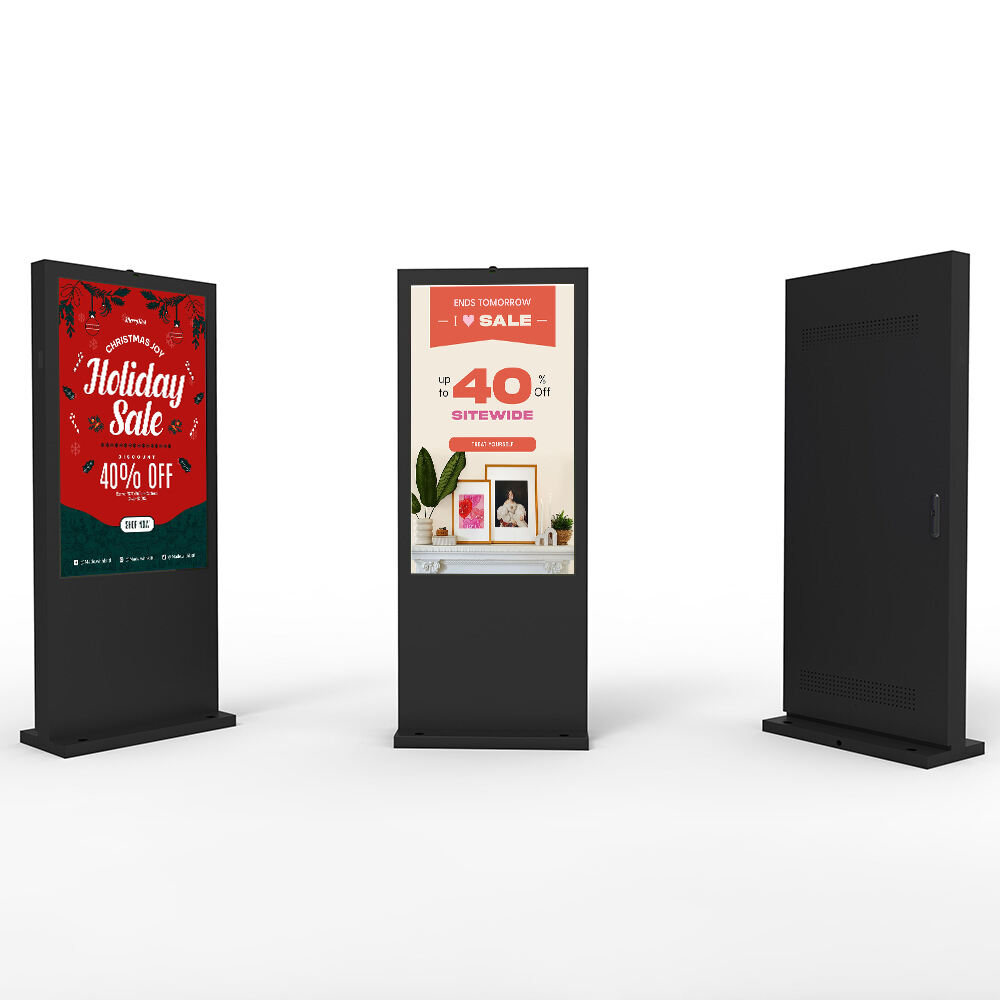
Outdoor digital displays have revolutionized the way businesses communicate with their audiences, transforming everything from retail storefronts to transportation hubs. However, the question of weather resistance remains paramount for organizations investing in these sophisticated marketing tools. The ability of outdoor digital displays to withstand harsh environmental conditions directly impacts their longevity, performance, and return on investment, making durability assessment a critical factor in procurement decisions.
The Ingress Protection (IP) rating system serves as the international standard for measuring how well outdoor digital displays resist environmental intrusion. This two-digit code indicates protection levels against solid particles and liquids, with ratings typically ranging from IP65 to IP68 for outdoor applications. Higher IP ratings demonstrate superior sealing capabilities, ensuring internal components remain protected from dust infiltration and water damage during severe weather events.
Professional-grade outdoor displays often feature IP65 or higher ratings, meaning they can withstand direct water jets from any direction without compromising functionality. The first digit addresses solid particle protection, while the second focuses on liquid resistance, providing manufacturers and buyers with standardized metrics for comparing weather resistance capabilities across different models and brands.
Operating temperature ranges represent another crucial specification for outdoor digital displays, as extreme heat and cold can significantly impact electronic component performance. Most commercial-grade units function effectively within temperature ranges of -20°C to +50°C (-4°F to +122°F), though some specialized models extend these parameters for harsh climate applications. Internal heating and cooling systems help maintain optimal operating conditions regardless of external weather fluctuations.
Thermal management systems within quality outdoor displays include automatic brightness adjustment, internal ventilation, and temperature monitoring circuits. These features prevent overheating during summer months while ensuring reliable startup and operation during winter conditions, maintaining consistent performance across seasonal temperature variations that could otherwise cause system failures or reduced display quality.
Modern outdoor digital displays incorporate robust sealed enclosure designs that prevent moisture ingress while maintaining proper ventilation for heat dissipation. These enclosures typically feature reinforced aluminum or steel construction with specialized gaskets and sealing compounds around all potential entry points. The combination of materials science and precision engineering creates barriers against rain, snow, humidity, and airborne contaminants.
Advanced sealing technologies include pressure-equalized designs that prevent condensation buildup inside the enclosure while maintaining weatherproof integrity. Multiple barrier systems create redundancy, ensuring that even if one sealing layer experiences wear or damage, additional protection layers continue safeguarding internal electronics from environmental exposure.
Surface treatments on outdoor displays extend beyond weather protection to include specialized coatings that enhance visibility and durability. Anti-reflective coatings reduce glare and improve readability in bright sunlight, while scratch-resistant treatments protect against wind-blown debris and maintenance activities. These protective layers undergo rigorous testing to ensure they maintain effectiveness throughout extended outdoor exposure periods.
Hydrophobic and oleophobic coatings repel water and oils, facilitating easier cleaning and reducing maintenance requirements. UV-resistant materials prevent color degradation and structural weakening from prolonged sun exposure, ensuring display quality remains consistent over multiple years of continuous outdoor operation in various weather conditions.

Comprehensive environmental testing validates the weather resistance claims of outdoor digital displays through controlled laboratory conditions that simulate real-world exposure scenarios. These tests include thermal cycling, humidity exposure, salt spray resistance, and vibration testing that replicate years of outdoor operation within compressed timeframes. Certification bodies conduct independent verification to ensure compliance with international standards.
Accelerated aging tests expose displays to extreme conditions beyond normal operating parameters, identifying potential failure points and validating design margins. UV exposure chambers, temperature shock testing, and continuous operation under maximum load conditions help manufacturers identify weaknesses and improve product reliability before market introduction.
Real-world deployment studies provide valuable data on how outdoor digital displays perform across different climatic zones and weather patterns. These extended field trials often span multiple years and geographic locations, documenting performance metrics under actual environmental stresses including hurricanes, blizzards, desert heat, and coastal salt exposure. Such validation studies inform both manufacturers and customers about realistic expectations for durability and maintenance requirements.
Performance monitoring systems track key metrics including internal temperatures, humidity levels, power consumption, and display quality over time. This data collection enables predictive maintenance scheduling and helps identify environmental factors that may accelerate component wear, allowing for proactive replacement strategies that minimize downtime and extend overall system life.
Proper installation techniques significantly influence how well outdoor digital displays withstand harsh weather conditions, particularly wind loads and seismic activity. Mounting systems must account for wind resistance calculations based on display size, local wind speed data, and safety factors that exceed typical weather extremes. Structural engineering analysis ensures adequate support for both normal operation and emergency conditions.
Foundation design and anchor specifications vary according to soil conditions, local building codes, and anticipated environmental stresses. Professional installation teams assess site-specific factors including drainage patterns, sun exposure angles, and prevailing wind directions to optimize placement and orientation for maximum weather resistance and operational longevity.
Comprehensive electrical protection extends weather resistance beyond the display unit itself to include surge suppression, grounding systems, and weatherproof power connections. Lightning protection systems become particularly important in areas prone to thunderstorms, requiring specialized grounding arrays and surge arrestors that safely redirect electrical energy away from sensitive display components.
Weatherproof electrical enclosures house power distribution equipment, control systems, and network connections using similar IP-rated protection as the displays themselves. These auxiliary systems require equal attention to weather sealing and environmental protection to ensure complete system reliability during adverse weather events that might otherwise cause cascading failures.
Regular maintenance schedules play crucial roles in maintaining weather resistance over the operational lifetime of outdoor digital displays. Inspection protocols include checking seal integrity, cleaning ventilation systems, and verifying proper drainage function around mounting areas. Professional maintenance teams identify early signs of weather-related wear before they compromise system protection or performance.
Seasonal maintenance activities address specific weather-related challenges, such as ice removal procedures, storm damage assessment, and preparation protocols for severe weather events. Documentation of maintenance activities provides valuable data for warranty claims and helps establish realistic replacement timelines based on actual environmental exposure rather than theoretical specifications.
Weather exposure gradually affects various display components at different rates, requiring strategic replacement planning that balances cost considerations with reliability requirements. Critical components like sealing gaskets, cooling fans, and protective coatings may require replacement before the main display panel, making modular design approaches valuable for long-term cost management.
Spare parts availability and compatibility considerations become important factors when selecting outdoor display systems, particularly for installations in remote locations where rapid replacement might be challenging. Manufacturers who maintain comprehensive parts support and provide clear replacement procedures help ensure continued weather resistance throughout the display's operational lifetime.
Quality outdoor digital displays with proper IP ratings and construction typically maintain reliable operation for 7-10 years in most climatic conditions. However, actual lifespan depends on factors including local weather severity, maintenance quality, and initial product specifications. Displays in extremely harsh environments like coastal areas or desert regions may experience shorter operational lives due to accelerated component wear from salt exposure or extreme temperatures.
For most outdoor applications, displays should have minimum IP65 ratings, providing protection against dust ingress and water jets from any direction. In particularly harsh environments or coastal installations, IP66 or IP67 ratings offer enhanced protection against high-pressure water and temporary immersion. The specific IP rating required depends on your local climate conditions and expected weather extremes.
Standard outdoor digital displays require continuous power supply and will shut down during outages unless equipped with backup power systems. Uninterruptible Power Supply (UPS) units or backup generators can provide emergency power, though battery backup duration depends on display power consumption and battery capacity. Some installations include automatic shutdown and restart sequences that protect equipment during power fluctuations common in storm conditions.
Winter preparation typically includes verifying heating system functionality, ensuring proper drainage around mounting areas, and checking that ventilation systems remain unobstructed by snow or ice. Some installations benefit from additional wind barriers or protective covers during extreme weather events, though quality displays should operate normally in typical winter conditions without special preparation beyond regular maintenance protocols.
Copyright © 2025 Shenzhen YJCen Technology CO.,Ltd. All rights reserved. - Privacy policy

 EN
EN

