 ×
×
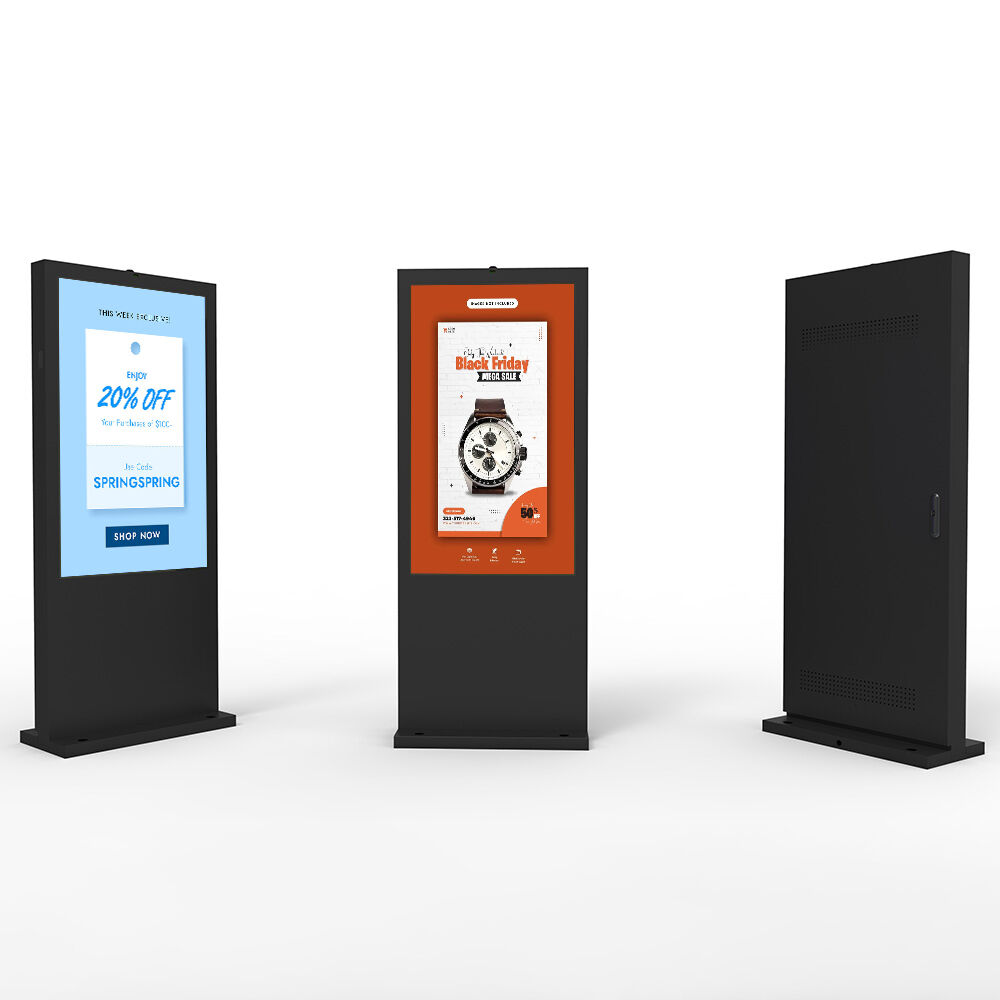
Modern businesses are discovering the powerful impact of outdoor digital signage on customer engagement strategies. As traditional static advertising becomes less effective in capturing attention, dynamic digital displays offer unprecedented opportunities to connect with audiences in outdoor environments. This revolutionary technology transforms how businesses communicate with customers, creating immersive experiences that drive engagement and boost brand visibility.
The evolution of outdoor digital signage represents a significant shift in advertising methodology. Unlike conventional billboards or static posters, digital displays provide real-time content updates, interactive capabilities, and adaptive messaging that responds to environmental conditions and audience demographics. This technological advancement enables businesses to deliver targeted messages precisely when and where they matter most.
Understanding the transformative potential of outdoor digital signage requires examining its impact across various industries and applications. From retail environments to transportation hubs, these dynamic displays reshape customer interactions and create memorable brand experiences that traditional advertising methods cannot match.
The fundamental advantage of outdoor digital signage lies in its ability to deliver dynamic content that adapts to changing circumstances. Weather-responsive messaging, time-sensitive promotions, and real-time information updates create a personalized experience for each viewer. This adaptability ensures that customers receive relevant information precisely when they need it most.
Content management systems integrated with outdoor digital signage platforms enable businesses to schedule campaigns, monitor performance metrics, and adjust messaging strategies based on audience response data. This level of control and flexibility transforms static advertising spaces into interactive communication channels that foster deeper customer relationships.
Advanced analytics capabilities provide valuable insights into customer behavior patterns, helping businesses optimize their outdoor digital signage strategies for maximum engagement. Heat mapping, dwell time analysis, and demographic recognition technologies create comprehensive understanding of audience preferences and interaction patterns.
Touch-screen interfaces and gesture recognition capabilities elevate outdoor digital signage beyond passive viewing experiences. Interactive elements encourage customer participation, creating memorable brand encounters that increase recall rates and drive purchasing decisions. QR code integration bridges the gap between physical displays and digital experiences, enabling seamless transitions from outdoor advertising to online engagement.
Mobile device connectivity expands the interactive potential of outdoor digital signage systems. Bluetooth beacons, NFC technology, and WiFi integration create personalized experiences that extend beyond the physical display location. Customers can receive targeted offers, access additional product information, and engage with brands through their personal devices.
Social media integration transforms outdoor digital signage into community engagement platforms. User-generated content, real-time social feeds, and interactive contests create shared experiences that amplify brand messaging through organic social sharing and word-of-mouth marketing.
Outdoor digital signage dramatically increases brand visibility through vibrant displays that capture attention even in challenging lighting conditions. High-brightness LED technology ensures content remains clearly visible throughout daylight hours, while automatic brightness adjustment optimizes viewing experiences during different times of day.
Motion graphics, video content, and animated elements create eye-catching displays that stand out in crowded advertising environments. The ability to rotate multiple messages within single campaign cycles maximizes exposure opportunities while maintaining viewer interest through varied content presentations.
Strategic placement of outdoor digital signage in high-traffic locations amplifies brand exposure to diverse audience segments. Transit stations, shopping districts, and entertainment venues provide optimal positioning for maximum reach and frequency metrics that traditional advertising struggles to achieve.
Digital campaign management eliminates printing costs, installation delays, and replacement expenses associated with traditional outdoor advertising. Content updates occur instantly through cloud-based management systems, enabling rapid response to market changes, promotional opportunities, and seasonal campaigns without additional production costs.
Multiple advertisers can share single outdoor digital signage installations through programmatic advertising platforms, reducing individual campaign costs while maintaining high-impact visibility. This shared revenue model makes premium advertising locations accessible to businesses with smaller marketing budgets.
Performance tracking and attribution analytics provide clear return on investment metrics for outdoor digital signage campaigns. Real-time data collection enables continuous optimization and budget allocation adjustments that maximize advertising effectiveness and minimize wasteful spending.
Modern outdoor digital signage systems incorporate advanced weatherproofing technologies that ensure reliable operation in diverse environmental conditions. IP-rated enclosures, anti-reflective coatings, and temperature regulation systems protect sensitive electronic components from moisture, dust, and extreme temperatures.
Thermal management systems maintain optimal operating temperatures through intelligent cooling and heating mechanisms. These systems prevent performance degradation during extreme weather conditions while extending equipment lifespan and reducing maintenance requirements.
Vandal-resistant designs and security features protect outdoor digital signage investments from damage and theft. Reinforced mounting systems, tempered glass surfaces, and integrated security monitoring ensure long-term reliability and continuous operation in public spaces.
LED technology integration reduces energy consumption while maintaining superior display quality and brightness levels. Automatic brightness sensors adjust power consumption based on ambient lighting conditions, minimizing environmental impact and operational costs.
Solar power integration options enable sustainable outdoor digital signage operations in remote locations or environmentally conscious installations. Battery backup systems ensure continuous operation during power outages while reducing dependence on traditional electrical infrastructure.
Recyclable materials and modular designs support sustainable business practices while enabling cost-effective upgrades and maintenance procedures. End-of-life recycling programs minimize electronic waste and support corporate environmental responsibility initiatives.
Shopping centers and retail complexes utilize outdoor digital signage to guide customer traffic, promote seasonal sales, and showcase tenant businesses. Dynamic wayfinding systems reduce customer frustration while increasing dwell time and purchase opportunities throughout commercial properties.
Restaurant chains leverage outdoor digital signage for menu displays, promotional messaging, and drive-through ordering systems. Real-time menu updates, pricing adjustments, and inventory management capabilities streamline operations while improving customer satisfaction and sales conversion rates.
Automotive dealerships employ outdoor digital signage to showcase vehicle inventory, financing options, and service promotions. Interactive displays enable customers to browse available models, schedule test drives, and access detailed specifications without requiring sales staff assistance.
Transit authorities implement outdoor digital signage systems to provide real-time schedule information, service announcements, and emergency communications. These displays improve passenger experience while reducing operational costs associated with static signage maintenance and updates.
Airport terminals utilize large-format outdoor digital signage for flight information, advertising displays, and wayfinding assistance. Multi-language capabilities and accessibility features ensure effective communication with diverse international passenger populations.
Smart city initiatives incorporate outdoor digital signage into urban planning strategies, providing citizens with traffic updates, event notifications, and public service announcements. These installations support community engagement while generating revenue through advertising partnerships.
Machine learning algorithms enhance outdoor digital signage effectiveness through audience recognition, content optimization, and predictive analytics. AI-powered systems analyze viewer demographics, behavior patterns, and engagement metrics to deliver personalized content recommendations in real-time.
Computer vision technology enables outdoor digital signage systems to adapt content based on audience characteristics, weather conditions, and environmental factors. This intelligent responsiveness creates more relevant and engaging experiences that improve campaign performance and customer satisfaction.
Predictive maintenance algorithms monitor system performance, identify potential issues, and schedule preventive maintenance activities. This proactive approach minimizes downtime while reducing operational costs and extending equipment lifespan for outdoor digital signage installations.
Augmented reality integration transforms outdoor digital signage into immersive experience platforms that blend physical and virtual elements. Smartphone applications enable customers to interact with displays through AR overlays, accessing additional product information, virtual try-on experiences, and interactive games.
Virtual reality compatibility extends outdoor digital signage capabilities beyond traditional display limitations. Customers can access immersive brand experiences, virtual showrooms, and product demonstrations through VR headsets integrated with outdoor display systems.
Holographic display technologies represent the next evolution in outdoor digital signage innovation. Three-dimensional content projection creates spectacular visual experiences that capture attention and create memorable brand interactions impossible with traditional display methods.
Successful outdoor digital signage deployment requires comprehensive site analysis that considers traffic patterns, visibility angles, and audience demographics. Location scouting should evaluate factors including pedestrian flow, vehicle traffic, lighting conditions, and competitive advertising presence to optimize placement decisions.
Demographic analysis tools help businesses identify optimal locations for targeted messaging campaigns. Understanding audience characteristics, behavioral patterns, and preferences enables more effective content strategies and improved campaign performance metrics for outdoor digital signage installations.
Zoning regulations, permit requirements, and municipal guidelines must be carefully reviewed during location selection processes. Compliance with local advertising standards, safety regulations, and environmental requirements ensures successful outdoor digital signage project implementation without legal complications.
Effective content strategies for outdoor digital signage balance attention-grabbing visuals with clear, concise messaging that communicates key information within limited viewing timeframes. Message hierarchy, font selection, and color schemes must optimize readability across various viewing distances and lighting conditions.
Content rotation schedules maximize message exposure while preventing viewer fatigue through varied presentations. Strategic timing aligns promotional messages with peak audience periods, seasonal trends, and relevant events to optimize engagement rates and campaign effectiveness.
Brand consistency across outdoor digital signage campaigns reinforces corporate identity while maintaining visual coherence throughout multi-location deployments. Style guides, template libraries, and approval workflows ensure consistent brand representation across diverse outdoor advertising environments.
Outdoor digital signage offers superior flexibility through real-time content updates, dynamic messaging capabilities, and interactive features that traditional static advertising cannot provide. Cost-effectiveness improves through eliminated printing and installation expenses, while enhanced visibility through bright LED displays ensures consistent message delivery regardless of lighting conditions. Performance tracking and analytics provide measurable ROI data that enables continuous campaign optimization and strategic decision-making.
Modern outdoor digital signage systems incorporate IP65 or higher weather protection ratings that safeguard internal components from moisture, dust, and temperature extremes. Advanced thermal management systems maintain optimal operating conditions while anti-reflective coatings and high-brightness LED technology ensure clear visibility in direct sunlight. Proper weather-resistant design extends equipment lifespan beyond five years with minimal maintenance requirements, making outdoor installations highly cost-effective for long-term advertising strategies.
Critical specifications include brightness levels exceeding 2,500 nits for daylight visibility, resolution appropriate for viewing distances, and refresh rates supporting smooth motion graphics. Connectivity options should include 4G/5G cellular, WiFi, and ethernet capabilities for reliable content management. Processing power must support real-time content rendering, while storage capacity should accommodate local content caching for uninterrupted operation during network outages.
Campaign effectiveness measurement utilizes multiple metrics including impression counts, dwell time analysis, and audience engagement rates captured through integrated sensors and analytics platforms. Attribution tracking connects outdoor digital signage exposure to website visits, sales conversions, and brand awareness surveys. Advanced analytics platforms provide demographic insights, peak viewing times, and content performance comparisons that enable data-driven optimization strategies for maximum campaign ROI and customer engagement results.
Copyright © 2025 Shenzhen YJCen Technology CO.,Ltd. All rights reserved. - Privacy policy

 EN
EN

