 ×
×
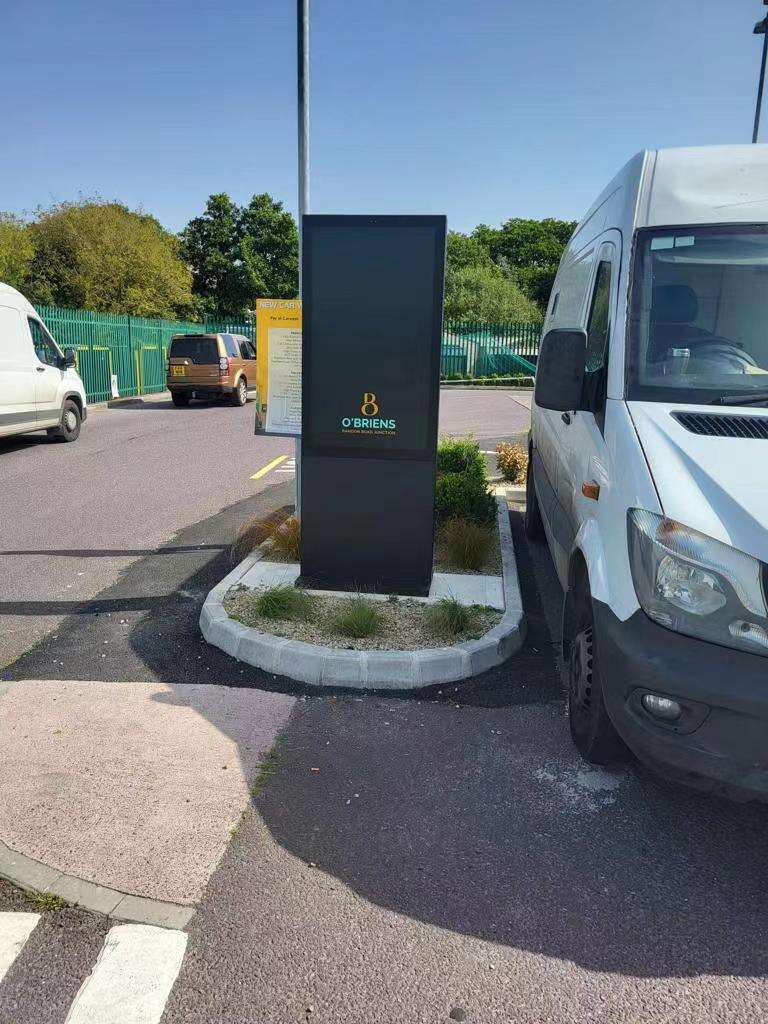
In today's competitive business landscape, companies are constantly seeking innovative ways to capture customer attention and stand out from the crowd. Outdoor digital displays have emerged as a powerful marketing tool that transforms how businesses communicate with their target audiences. These dynamic advertising solutions offer unparalleled flexibility, visual impact, and measurable results that traditional static signage simply cannot match. As consumer behavior continues to evolve in our digital-first world, businesses that embrace outdoor digital displays position themselves at the forefront of modern marketing strategies.
The most significant advantage of outdoor digital displays lies in their ability to deliver stunning visual experiences that captivate audiences from considerable distances. Unlike traditional printed advertisements, these displays utilize high-brightness LED technology and vibrant color reproduction to ensure content remains clearly visible even in direct sunlight. The dynamic nature of digital content allows businesses to incorporate motion graphics, video content, and animated elements that naturally draw the human eye and create lasting impressions.
Modern outdoor digital displays feature advanced anti-glare coatings and automatic brightness adjustment capabilities that optimize viewing conditions throughout different times of day. This technological sophistication ensures that marketing messages maintain their visual appeal whether displayed during bright afternoon hours or evening twilight periods. The superior image quality and contrast ratios available in contemporary displays enable businesses to showcase product details, brand colors, and promotional content with remarkable clarity and precision.
The ability to update content instantaneously represents a game-changing advantage for businesses utilizing outdoor digital displays. Marketing teams can modify advertisements, promotional offers, and informational content remotely without the delays and costs associated with traditional signage replacement. This flexibility enables businesses to respond quickly to market conditions, seasonal changes, inventory fluctuations, and time-sensitive promotional opportunities that require immediate customer communication.
Content scheduling capabilities allow businesses to display different messages throughout various times of day, targeting specific demographic groups based on typical traffic patterns. For example, restaurants can showcase breakfast menus during morning hours, lunch specials during midday periods, and dinner offerings during evening times. This level of customization ensures that marketing messages remain relevant and timely, significantly improving their effectiveness and return on investment.
While the initial investment in outdoor digital displays may appear substantial, the long-term cost benefits far outweigh traditional advertising methods when evaluated comprehensively. Digital displays eliminate recurring expenses associated with printing, installation, and disposal of static advertisements, resulting in significant savings over time. The durability and weather resistance of modern outdoor displays ensure reliable operation for many years with minimal maintenance requirements, providing excellent return on investment calculations.
Energy efficiency improvements in LED technology have dramatically reduced operational costs compared to earlier display generations. Contemporary outdoor digital displays consume significantly less power while delivering superior brightness and image quality, making them environmentally responsible choices that align with corporate sustainability initiatives. The elimination of physical material waste and reduced transportation requirements for content updates further contribute to both cost savings and environmental benefits.
Digital advertising platforms provide comprehensive analytics capabilities that enable businesses to measure campaign effectiveness with unprecedented precision. Built-in sensors and connectivity features allow real-time monitoring of viewer engagement, content performance, and audience demographics. This data-driven approach enables marketing teams to optimize campaigns continuously, adjust content strategies based on actual performance metrics, and demonstrate tangible return on investment to stakeholders.
Advanced analytics platforms can track metrics such as dwell time, audience attention duration, and conversion rates for specific promotional campaigns. This granular level of performance measurement allows businesses to identify the most effective content types, optimal display schedules, and audience preferences that drive desired customer behaviors. The ability to A/B test different creative approaches and measure results in real-time provides valuable insights for future marketing strategy development.
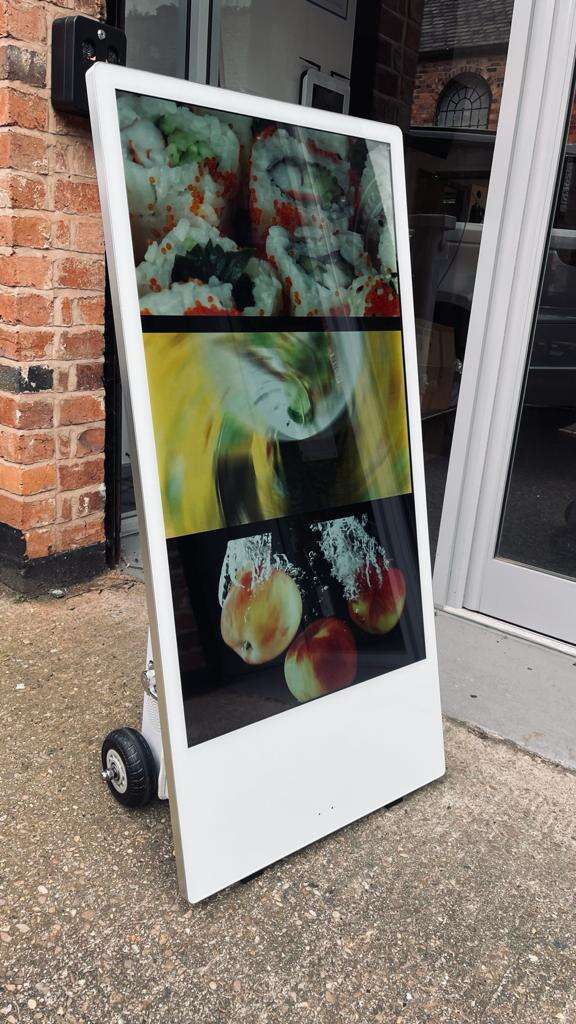
Modern outdoor digital displays incorporate sophisticated environmental protection systems designed to withstand extreme weather conditions while maintaining consistent performance standards. Waterproof enclosures with IP65 or higher ratings ensure complete protection against rain, snow, dust, and other environmental contaminants that could compromise internal components. Temperature regulation systems maintain optimal operating conditions regardless of external climate variations, ensuring reliable functionality throughout seasonal changes.
Corrosion-resistant materials and protective coatings extend the operational lifespan of outdoor displays even in challenging environments such as coastal areas with salt exposure or industrial locations with airborne contaminants. Anti-vandalism features including reinforced glass panels and secure mounting systems protect against both intentional damage and accidental impacts. These robust construction methods ensure that businesses can depend on their outdoor digital displays for consistent performance over many years of operation.
Contemporary outdoor digital displays feature self-diagnostic systems that continuously monitor component health and performance parameters, enabling proactive maintenance scheduling before issues affect display operations. Remote monitoring capabilities allow technical support teams to assess system status, update software, and troubleshoot problems without requiring on-site visits in many cases. This technological advancement minimizes downtime and reduces maintenance costs while ensuring optimal performance consistency.
Modular design approaches in modern displays facilitate efficient component replacement when necessary, reducing repair costs and minimizing service interruptions. Standardized components and easily accessible service panels enable qualified technicians to complete maintenance tasks quickly and efficiently. The combination of reliable construction, remote monitoring, and efficient service procedures ensures that outdoor digital displays provide dependable marketing platform performance with minimal operational disruption.
Outdoor digital displays excel in high-traffic locations where traditional advertising methods struggle to achieve comparable visibility and impact. Strategic placement along busy roadways, transportation hubs, shopping districts, and event venues ensures maximum exposure to target audiences during their daily routines. The bright, attention-grabbing nature of digital displays makes them highly effective in competing for consumer attention in visually cluttered urban environments.
Size scalability options allow businesses to select display dimensions appropriate for specific locations and viewing distances, ensuring optimal visibility regardless of installation constraints. Large-format displays can effectively communicate messages to audiences at significant distances, while smaller formats work well for pedestrian areas and close-proximity viewing situations. This flexibility enables businesses to maximize advertising impact across diverse location types and audience scenarios.
Advanced outdoor digital displays can integrate with demographic analysis systems that identify audience characteristics and adjust content accordingly in real-time. Camera-based analytics can determine approximate age groups, gender distributions, and attention patterns without compromising privacy, enabling dynamic content optimization for maximum relevance and engagement. This sophisticated targeting capability ensures that marketing messages resonate with actual audiences rather than assumed demographics.
Integration with mobile technology and location-based services creates opportunities for enhanced customer interaction and engagement beyond passive viewing experiences. QR codes, NFC technology, and mobile app integration can bridge the gap between outdoor advertising and digital customer journeys, enabling businesses to track campaign effectiveness from initial exposure through final conversion. This multi-channel approach maximizes the value of outdoor digital display investments by creating measurable customer acquisition pathways.
High-quality outdoor digital displays are designed to operate reliably for 7-10 years with proper maintenance, though many units continue functioning effectively well beyond this timeframe. The lifespan depends on factors such as display quality, environmental conditions, usage patterns, and maintenance practices. LED technology improvements have significantly extended operational lifespans compared to earlier display technologies, making them excellent long-term investments for businesses seeking durable advertising solutions.
Modern outdoor digital displays utilize energy-efficient LED technology that typically consumes between 150-800 watts depending on screen size and brightness settings. Automatic brightness adjustment features optimize power consumption based on ambient light conditions, reducing energy usage during periods when maximum brightness is unnecessary. Most displays include scheduling capabilities that allow businesses to power down during closed hours, further minimizing electricity costs while extending component lifespan.
Yes, contemporary outdoor digital displays feature comprehensive remote management capabilities through internet connectivity and cloud-based content management systems. Users can update content, adjust display settings, monitor system performance, and schedule campaigns from any location with internet access. This remote functionality eliminates the need for on-site visits for routine content updates and enables businesses to manage multiple displays across different locations from centralized control systems.
Professional outdoor digital displays are engineered to operate in temperature ranges from -30°C to +60°C (-22°F to +140°F) with humidity resistance up to 95% non-condensing. They feature waterproof ratings of IP65 or higher, providing complete protection against rain, snow, dust, and other environmental contaminants. Advanced thermal management systems maintain optimal operating temperatures in extreme conditions, while anti-corrosion treatments protect against salt air and industrial pollutants in challenging environments.
Copyright © 2025 Shenzhen YJCen Technology CO.,Ltd. All rights reserved. - Privacy policy

 EN
EN

