 ×
×
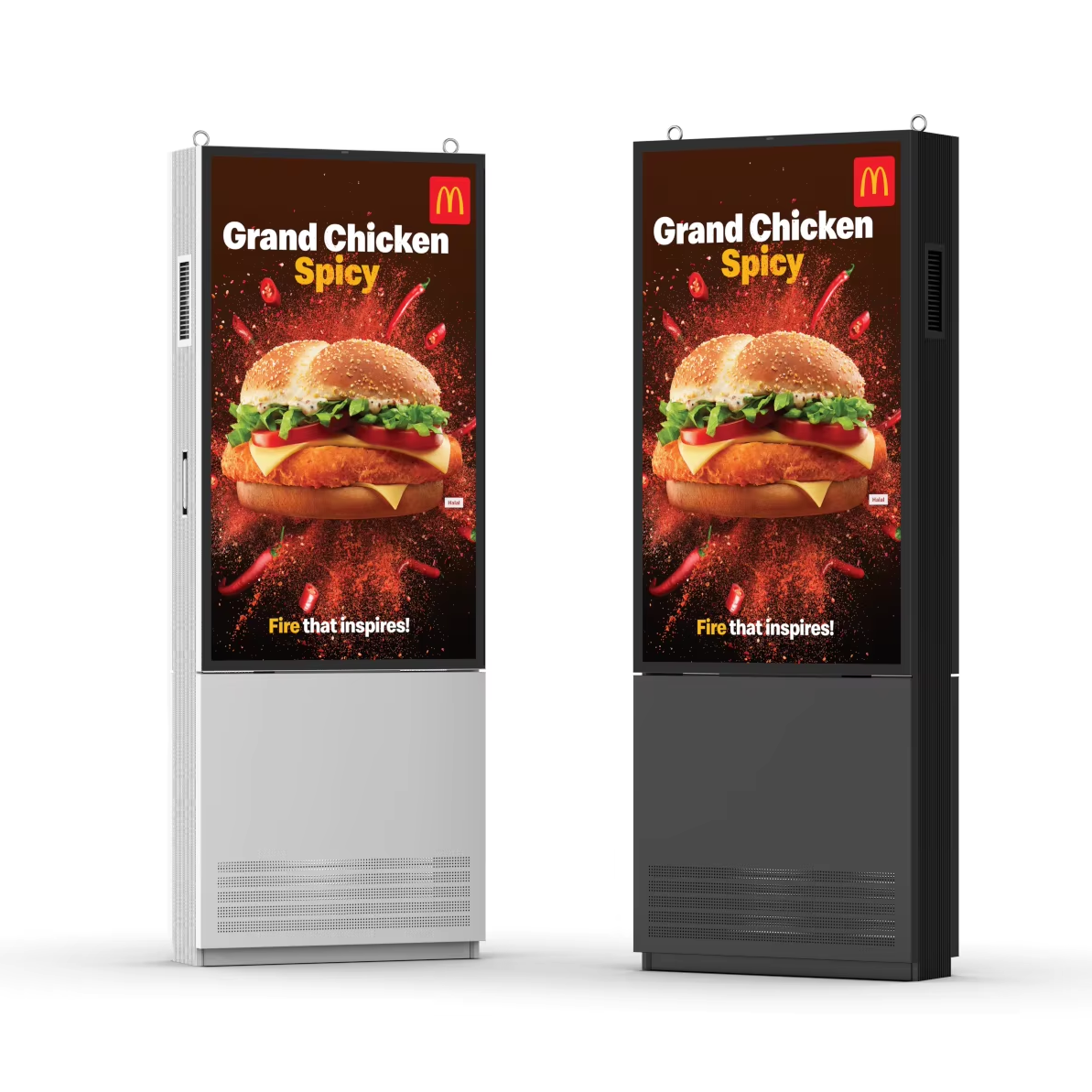
The digital advertising landscape has transformed dramatically over the past decade, with businesses increasingly turning to advanced display technologies to capture consumer attention. Among these innovations, outdoor digital signage has emerged as a powerful tool for brands seeking to maximize their visibility and engagement in high-traffic environments. This comprehensive guide will explore the essential factors to consider when selecting the perfect outdoor digital signage solution for your specific business requirements.
Modern outdoor digital signage utilizes cutting-edge LED and LCD technologies designed specifically to withstand harsh environmental conditions while delivering exceptional visual performance. These displays incorporate advanced backlighting systems, anti-glare coatings, and temperature-resistant components that ensure consistent operation across various weather conditions. The technology behind outdoor digital signage has evolved to provide superior brightness levels, typically ranging from 2,500 to 10,000 nits, which ensures clear visibility even in direct sunlight.
The construction of professional outdoor digital signage involves multiple protective layers, including weatherproof housings, moisture-resistant seals, and impact-resistant glass surfaces. These features work together to create displays that can operate reliably in temperatures ranging from -40°C to 85°C, making them suitable for deployment in virtually any climate. Additionally, modern outdoor digital signage systems incorporate intelligent thermal management systems that regulate internal temperatures and prevent overheating during prolonged operation.
When evaluating outdoor digital signage options, resolution plays a crucial role in determining the effectiveness of your advertising content. High-definition displays with 4K or even 8K resolution capabilities ensure that your messages remain crisp and professional-looking from various viewing distances. The pixel density and color reproduction capabilities of outdoor digital signage directly impact audience engagement and brand perception, making these technical specifications essential considerations for any business investment.
The viewing angle characteristics of outdoor digital signage are particularly important for installations in high-traffic areas where audiences approach from multiple directions. Premium displays offer wide viewing angles of up to 178 degrees both horizontally and vertically, ensuring consistent image quality regardless of the viewer's position. This feature is especially valuable for outdoor digital signage installations at intersections, shopping centers, and transportation hubs where foot traffic patterns vary throughout the day.
The International Protection rating system provides a standardized method for evaluating the environmental protection capabilities of outdoor digital signage enclosures. Most commercial-grade outdoor digital signage systems feature IP65 or IP66 ratings, indicating complete protection against dust ingress and strong water jets from any direction. These ratings ensure that your display investment remains protected against rain, snow, dust storms, and other environmental challenges that could compromise performance or longevity.
Understanding IP ratings becomes particularly important when selecting outdoor digital signage for coastal environments where salt air exposure presents additional corrosion risks. Higher-rated enclosures incorporate specialized gaskets, drainage systems, and corrosion-resistant materials that extend operational lifespan significantly. The investment in properly rated outdoor digital signage pays dividends through reduced maintenance requirements and consistent performance over many years of operation.
Effective temperature control represents one of the most critical aspects of outdoor digital signage design, as electronic components are particularly sensitive to extreme temperatures. Professional outdoor digital signage systems incorporate multiple cooling and heating elements, including forced-air circulation, heat exchangers, and thermostatically controlled heaters that maintain optimal operating conditions. These systems ensure consistent performance regardless of seasonal temperature variations.
The thermal management capabilities of outdoor digital signage directly impact both performance reliability and energy efficiency. Advanced systems utilize intelligent monitoring that adjusts cooling and heating output based on real-time temperature readings, optimizing power consumption while maintaining component longevity. This sophisticated approach to temperature control distinguishes professional outdoor digital signage solutions from consumer-grade alternatives that may fail in extreme conditions.
Selecting the appropriate size for your outdoor digital signage installation requires careful consideration of viewing distances, installation locations, and content requirements. Larger displays naturally command greater attention and provide more space for detailed messaging, but they also require more robust mounting systems and higher power consumption. The relationship between display size and viewing distance follows established guidelines, with larger outdoor digital signage installations being more effective for highway-adjacent locations and smaller sizes working well for pedestrian areas.
The aspect ratio of outdoor digital signage also influences content effectiveness and installation requirements. Traditional 16:9 widescreen formats work well for video content and landscape-oriented messaging, while portrait orientations may be more suitable for menu boards or directory applications. Some outdoor digital signage solutions offer modular designs that allow for custom aspect ratios and configurations to match specific architectural or branding requirements.
The mounting system for outdoor digital signage must provide secure attachment while accommodating the substantial weight and wind load characteristics of large displays. Wall-mounted configurations require structural analysis to ensure adequate support, while pole-mounted installations need foundation engineering to handle wind loads and seismic considerations. Professional installation services can evaluate site-specific requirements and recommend appropriate mounting solutions.
Accessibility for maintenance and servicing represents another crucial aspect of outdoor digital signage mounting design. Systems should incorporate features that allow safe access to internal components, cable management areas, and cooling systems without requiring specialized equipment or extensive disassembly. This accessibility consideration reduces long-term maintenance costs and minimizes service disruption when repairs or updates become necessary.
Modern outdoor digital signage systems incorporate sophisticated energy management technologies that optimize power consumption based on environmental conditions and usage patterns. Automatic brightness adjustment features respond to ambient light levels, reducing power consumption during low-light periods while maintaining optimal visibility. These intelligent systems can reduce energy costs by up to 40% compared to fixed-brightness outdoor digital signage installations.
LED backlighting technology has revolutionized the energy efficiency of outdoor digital signage, offering significantly lower power consumption compared to traditional fluorescent or CCFL systems. The longevity of LED components also reduces replacement costs and maintenance requirements, making LED-based outdoor digital signage an environmentally responsible choice that delivers superior total cost of ownership over the system's operational lifetime.
For remote locations or environmentally conscious installations, solar-powered outdoor digital signage systems offer sustainable operation without grid connection requirements. These systems incorporate high-efficiency solar panels, battery storage systems, and intelligent power management controllers that ensure consistent operation even during extended periods of low sunlight. Solar integration makes outdoor digital signage feasible in locations where electrical infrastructure would be prohibitively expensive.
The sizing of solar systems for outdoor digital signage requires careful analysis of local climate conditions, seasonal variations, and display power requirements. Professional solar consultants can design integrated systems that provide reliable operation year-round while accommodating the specific power characteristics of different outdoor digital signage models. This sustainable approach to powering displays aligns with corporate environmental responsibility goals while reducing operational costs.
Effective content management systems enable centralized control of multiple outdoor digital signage installations from a single location, streamlining operations and ensuring consistent messaging across all displays. Cloud-based management platforms provide real-time monitoring, content scheduling, and performance analytics that help optimize the effectiveness of outdoor digital signage campaigns. These systems also enable rapid response to technical issues or content updates without requiring on-site visits.
The ability to update content remotely becomes particularly valuable for outdoor digital signage networks spanning multiple locations or time zones. Advanced management systems support automated content scheduling, emergency message broadcasting, and integration with external data sources such as weather services or traffic management systems. This connectivity transforms outdoor digital signage from static displays into dynamic communication tools that can adapt to changing conditions.
Reliable network connectivity forms the foundation of effective outdoor digital signage content management, with options including cellular, WiFi, and hardwired ethernet connections. Cellular connectivity offers the greatest flexibility for remote installations but may incur ongoing data costs that should be factored into total ownership calculations. The bandwidth requirements of outdoor digital signage vary based on content complexity and update frequency, with high-resolution video content requiring more robust connectivity solutions.
Redundant connectivity options provide insurance against network outages that could interrupt outdoor digital signage operations during critical periods. Systems with multiple connection methods can automatically switch between networks to maintain continuous operation. This reliability feature becomes especially important for outdoor digital signage installations used for emergency communications or time-sensitive promotional campaigns.
The upfront cost of outdoor digital signage varies significantly based on display size, environmental protection features, and installation complexity. Professional-grade systems suitable for long-term outdoor deployment typically require substantially higher initial investments compared to indoor alternatives, but this cost difference reflects the specialized engineering and materials needed for reliable outdoor operation. Budget considerations should include not only the display hardware but also mounting systems, electrical infrastructure, and professional installation services.
Financing options for outdoor digital signage installations can help businesses manage cash flow while implementing effective advertising solutions. Many suppliers offer lease programs or payment plans that spread costs over multiple years, making high-quality outdoor digital signage accessible to businesses with limited capital budgets. These financing arrangements often include maintenance and support services that further reduce operational complexity.
The return on investment for outdoor digital signage extends beyond direct advertising revenue to include brand awareness, customer engagement, and operational efficiency benefits. Studies indicate that digital displays can increase message retention by up to 83% compared to static signage, while also providing the flexibility to adapt messaging for different audiences or time periods. The ability to update content instantly makes outdoor digital signage more cost-effective than traditional print advertising for businesses with frequently changing promotions.
Measuring the effectiveness of outdoor digital signage investments requires tracking multiple metrics including audience impressions, engagement rates, and conversion tracking where possible. Advanced analytics platforms can provide detailed insights into viewing patterns, content performance, and demographic information that inform future marketing strategies. This data-driven approach helps optimize outdoor digital signage campaigns and demonstrate clear return on investment to stakeholders.
Professional outdoor digital signage systems are designed to operate reliably for 50,000 to 100,000 hours of continuous use, which translates to approximately 7-12 years of typical commercial operation. The actual lifespan depends on environmental conditions, usage patterns, and maintenance quality. LED-based displays generally offer longer operational lives compared to LCD alternatives, while proper temperature management and regular maintenance can extend system longevity significantly.
Outdoor digital signage requires minimum brightness levels of 2,500 nits for adequate daytime visibility, with premium installations often utilizing 5,000-10,000 nit displays for optimal performance in direct sunlight. The required brightness varies based on installation orientation, surrounding environment, and local climate conditions. South-facing installations and locations with high ambient light reflection typically require higher brightness levels to maintain message clarity throughout the day.
Yes, properly designed outdoor digital signage can operate reliably in extreme weather conditions including temperatures from -40°C to 85°C, high humidity, rain, snow, and dust storms. Professional systems incorporate weatherproof enclosures with IP65 or IP66 ratings, thermal management systems, and impact-resistant components that ensure continuous operation. However, extreme conditions may trigger protective shutdowns to prevent component damage, and regular maintenance becomes more critical in harsh environments.
Outdoor digital signage maintenance typically includes quarterly cleaning of screens and air filters, annual inspection of seals and gaskets, and periodic testing of thermal management systems. Professional maintenance contracts often include remote monitoring, software updates, and emergency repair services. The maintenance requirements vary based on environmental conditions, with installations in dusty or coastal environments requiring more frequent attention to prevent performance degradation.
Copyright © 2026 Shenzhen YJCen Technology CO.,Ltd. All rights reserved. - Privacy policy

 EN
EN

