 ×
×
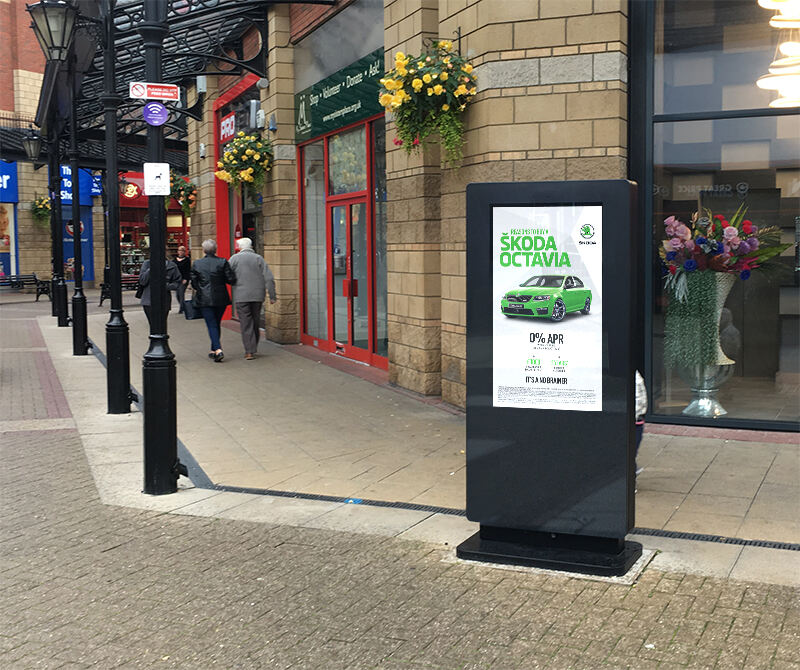 In today's competitive marketplace, businesses are constantly seeking innovative ways to capture consumer attention and drive engagement. High-traffic areas present unique opportunities for marketers to reach large audiences, but traditional advertising methods often fall short of delivering the impact needed to stand out. Mobile advertising displays have emerged as a powerful solution for businesses looking to maximize their visibility in crowded environments while delivering dynamic, eye-catching content that resonates with their target audience.
The evolution of digital advertising technology has transformed how businesses approach outdoor marketing campaigns. Modern outdoor displays combine advanced screen technology with weatherproof construction to deliver crisp, vibrant visuals that maintain their clarity even in challenging environmental conditions. These sophisticated systems enable brands to deploy targeted messaging that adapts to specific times of day, weather conditions, and audience demographics, creating a more personalized advertising experience that drives higher engagement rates.
Strategic placement in high-traffic areas amplifies the effectiveness of outdoor advertising campaigns significantly. Research indicates that well-positioned digital displays can generate thousands of impressions daily, providing exceptional return on investment compared to traditional static signage. The flexibility offered by these systems allows businesses to update their messaging in real-time, responding to market changes, promotional opportunities, or breaking news that may impact their target audience's purchasing decisions.
Identifying optimal locations for mobile advertising displays requires comprehensive analysis of pedestrian and vehicle traffic patterns throughout different times of day and week. Successful campaigns begin with detailed demographic studies that reveal when target audiences are most likely to be present in specific areas. Shopping centers, transportation hubs, and busy intersections consistently demonstrate high visibility potential, but the key lies in understanding the specific characteristics of each location's foot traffic.
Data-driven location selection involves examining factors such as average dwell time, audience age groups, income levels, and shopping behaviors. Professional site surveys help determine optimal viewing angles, distance requirements, and potential obstacles that might interfere with message delivery. This systematic approach ensures that mobile advertising displays are positioned to achieve maximum exposure while complying with local regulations and zoning requirements.
Maximizing the visual impact of outdoor displays requires careful consideration of screen size, brightness levels, and content design principles. Larger displays naturally attract more attention, but the relationship between screen size and effectiveness depends heavily on viewing distance and ambient lighting conditions. Brightness calibration ensures that content remains clearly visible during bright daylight hours while avoiding excessive glare that might distract drivers or pedestrians.
Content optimization for outdoor viewing involves using high-contrast color schemes, bold typography, and simplified messaging that can be quickly absorbed by passing audiences. The three-second rule applies to most outdoor advertising scenarios, meaning that key messages must be communicated within the brief window when viewers are within optimal sight lines. Mobile advertising displays excel in this environment because they can cycle through multiple messages, increasing the likelihood of capturing attention from repeat viewers.
Modern outdoor display technology incorporates LED backlighting, anti-reflective coatings, and temperature compensation systems that ensure consistent performance across various environmental conditions. High-resolution capabilities allow for detailed graphics and text that remain sharp and legible even at significant viewing distances. These technological advances have made mobile advertising displays increasingly effective tools for capturing attention in competitive outdoor environments.
Weatherproofing features protect sensitive electronic components from moisture, dust, and extreme temperatures that could compromise display functionality. Advanced thermal management systems regulate internal temperatures to prevent overheating during summer months and ensure reliable operation in freezing conditions. These durability features are essential for maintaining consistent advertising campaigns without unexpected downtime or maintenance issues that could disrupt marketing schedules.
Sophisticated content management systems enable advertisers to schedule and deploy campaigns across multiple mobile advertising displays from centralized locations. Remote monitoring capabilities provide real-time status updates, performance metrics, and maintenance alerts that help optimize campaign effectiveness while minimizing operational costs. Cloud-based platforms facilitate rapid content updates, allowing businesses to respond quickly to market opportunities or changing promotional needs.
Integration with data analytics platforms provides valuable insights into audience engagement patterns, optimal display times, and content performance metrics. This information enables continuous refinement of advertising strategies, improving campaign effectiveness over time. Automated scheduling features ensure that appropriate content appears at designated times, maximizing relevance and impact for specific target audiences throughout different periods of the day or week.
Understanding how human visual perception works in outdoor environments is crucial for designing effective advertising campaigns using mobile advertising displays. Research in cognitive psychology reveals that moving images capture attention more effectively than static content, particularly in environments with multiple competing visual stimuli. The strategic use of motion graphics, color transitions, and animated elements can significantly increase the likelihood that passersby will notice and engage with advertising messages.
Color psychology plays an important role in outdoor advertising effectiveness, as different colors evoke specific emotional responses and cultural associations. Warm colors like red and orange tend to create urgency and excitement, while cooler blues and greens convey trust and reliability. The contrast between foreground text and background elements must be carefully balanced to ensure readability while maintaining visual appeal that draws viewers' attention away from surrounding distractions.
Optimal campaign timing requires analysis of target audience schedules and behavioral patterns specific to each location. Rush hour periods often provide maximum exposure but may result in brief viewing times as people focus on navigation and transportation needs. Lunch hours and shopping periods might offer longer attention spans as individuals have more time to absorb advertising messages while engaged in leisure activities.
Message frequency must be balanced to maintain effectiveness without causing viewer fatigue or annoyance. Mobile advertising displays can rotate through multiple messages, allowing advertisers to test different approaches and identify the most effective combinations. Research suggests that moderate repetition enhances message retention, but excessive frequency can lead to negative brand associations and reduced campaign effectiveness.
The ability to update and modify advertising content in real-time provides significant competitive advantages over traditional static signage methods. Mobile advertising displays enable businesses to respond immediately to competitor actions, market conditions, or special events that may influence consumer behavior. This flexibility allows for promotional adjustments, inventory updates, and seasonal messaging changes without the costs and delays associated with printing and installing new physical signage.
Interactive features available in advanced display systems can engage viewers through touch screens, QR codes, or mobile device integration. These capabilities transform passive viewing experiences into active engagement opportunities that generate measurable responses and valuable customer data. Interactive elements also increase message retention by requiring viewers to participate in the advertising experience rather than simply observe it.
Despite higher initial investment costs compared to traditional signage, mobile advertising displays typically demonstrate superior return on investment through increased audience reach, message flexibility, and reduced long-term operational expenses. The elimination of printing costs, installation fees for new campaigns, and waste associated with outdated promotional materials contributes to significant cost savings over time.
Detailed performance tracking capabilities enable precise ROI calculations that help justify advertising investments and optimize future campaign strategies. Impression counts, engagement metrics, and conversion tracking provide concrete data for evaluating campaign effectiveness and making informed decisions about resource allocation. This data-driven approach allows businesses to refine their outdoor advertising strategies continuously and maximize the impact of their marketing budgets.
Proper installation of mobile advertising displays requires specialized knowledge of electrical systems, structural engineering, and local building codes. Professional installers ensure that displays are securely mounted to withstand wind loads, seismic activity, and other environmental stresses that could pose safety risks or damage equipment. Electrical connections must comply with local codes and include appropriate surge protection to prevent damage from power fluctuations or lightning strikes.
Site preparation involves assessing foundation requirements, utility access, and potential interference from existing infrastructure. Proper grounding systems protect both equipment and nearby individuals from electrical hazards while ensuring reliable operation. Professional installation also includes initial system configuration, testing, and staff training necessary for ongoing operation and basic maintenance procedures.
Regular maintenance schedules help ensure consistent performance and extend the operational lifespan of mobile advertising displays. Cleaning protocols remove dust, debris, and other contaminants that can reduce screen clarity and cooling system efficiency. Component inspection identifies potential issues before they result in system failures that could disrupt advertising campaigns or require expensive emergency repairs.
Remote monitoring systems provide early warning alerts for temperature anomalies, power supply issues, or component degradation that may require attention. Preventive maintenance programs typically include software updates, hardware inspections, and performance optimization procedures that maintain peak operating efficiency. Professional support services ensure that technical issues are resolved quickly to minimize advertising campaign interruptions and maintain consistent message delivery.
Compliance with local zoning regulations is essential for successful deployment of mobile advertising displays in high-traffic areas. Municipal codes often specify restrictions on display size, brightness levels, installation locations, and content types permitted in different zones. Obtaining proper permits requires detailed documentation of technical specifications, safety measures, and operational procedures that demonstrate compliance with applicable regulations.
Sign ordinances may include requirements for setbacks from property lines, height restrictions, and limitations on animated or changing content that could distract drivers or pedestrians. Understanding these regulations before beginning installation planning helps avoid costly delays or modifications that could impact campaign schedules. Professional consultation with local planning departments ensures full compliance while maximizing the effectiveness of display placement within regulatory constraints.
Safety considerations for outdoor displays include electrical hazard prevention, structural integrity verification, and protection against unauthorized access to equipment or electrical systems. Proper enclosures protect sensitive components while preventing accidental contact with high-voltage systems. Grounding systems and surge protection devices minimize risks associated with electrical storms or power grid fluctuations.
Risk management protocols include regular safety inspections, emergency shutdown procedures, and coordination with local emergency services to ensure rapid response capabilities if issues arise. Insurance requirements may specify particular safety standards or maintenance procedures necessary for coverage validity. Comprehensive safety planning protects both equipment investments and public welfare while demonstrating responsible business practices that support positive community relationships.
The effectiveness of mobile advertising displays depends on several key factors including strategic location selection, appropriate screen size and brightness for viewing conditions, compelling content design that communicates messages quickly, and proper timing that aligns with target audience presence. Technical factors such as screen resolution, weatherproofing capabilities, and reliable power systems also significantly impact campaign success rates.
Modern mobile advertising displays incorporate advanced weatherproofing technologies that maintain performance across various environmental conditions. Brightness sensors automatically adjust screen output to compensate for changing ambient light levels, while temperature management systems ensure reliable operation in extreme heat or cold. Anti-reflective coatings and high-contrast displays maintain visibility during bright sunlight or adverse weather conditions.
Regular maintenance for mobile advertising displays typically includes periodic cleaning of screen surfaces, inspection of electrical connections and cooling systems, software updates, and verification of structural mounting integrity. Most systems include remote monitoring capabilities that provide early warning of potential issues, allowing for proactive maintenance scheduling that minimizes downtime and extends equipment lifespan.
ROI measurement for mobile advertising displays involves tracking metrics such as impression counts, audience engagement rates, brand awareness surveys, and direct response indicators like QR code scans or website traffic increases. Advanced analytics platforms provide detailed reporting on campaign performance, allowing businesses to calculate cost-per-impression, conversion rates, and overall campaign effectiveness compared to traditional advertising methods.
Copyright © 2026 Shenzhen YJCen Technology CO.,Ltd. All rights reserved. - Privacy policy

 EN
EN

