Advanced Touch Screen Technology: Multi-touch Innovation for Intuitive User Experience

Get a Free Quote

Our representative will contact you soon.
Email
Name
Company Name
Message
0/1000

touch screen

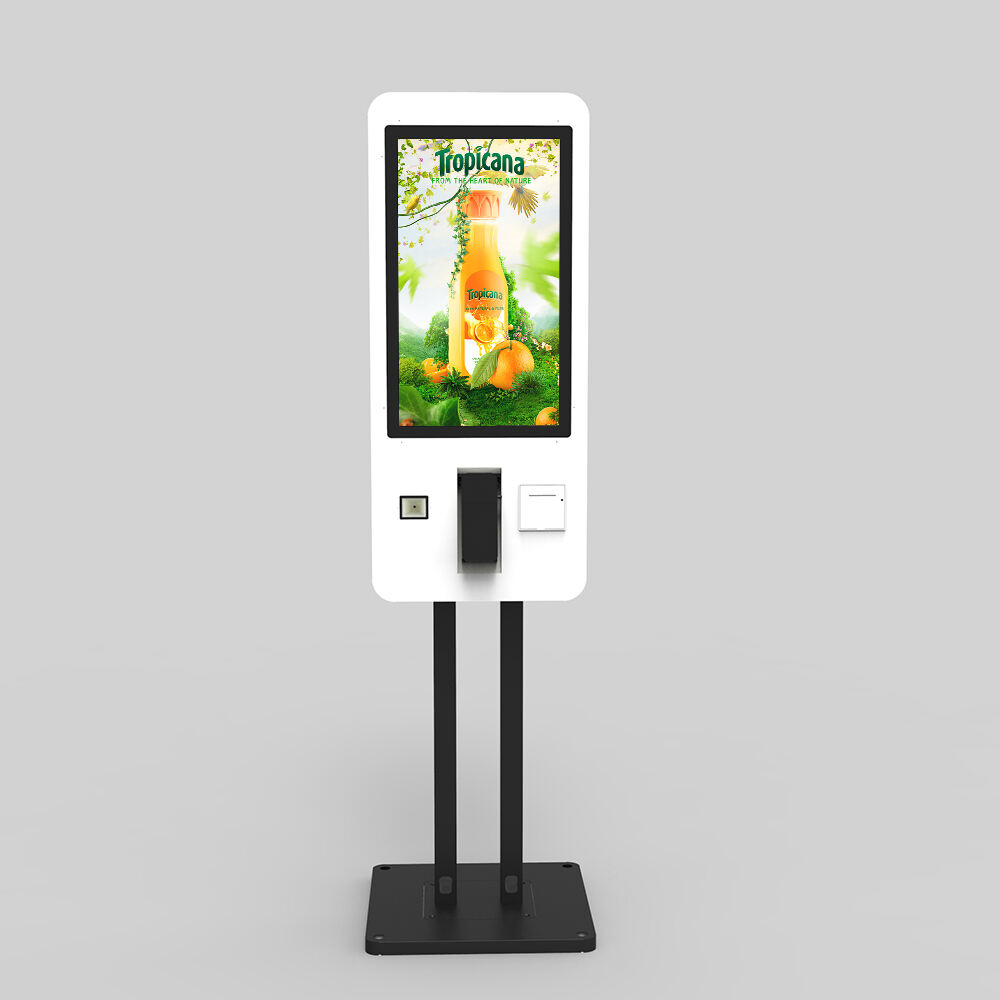
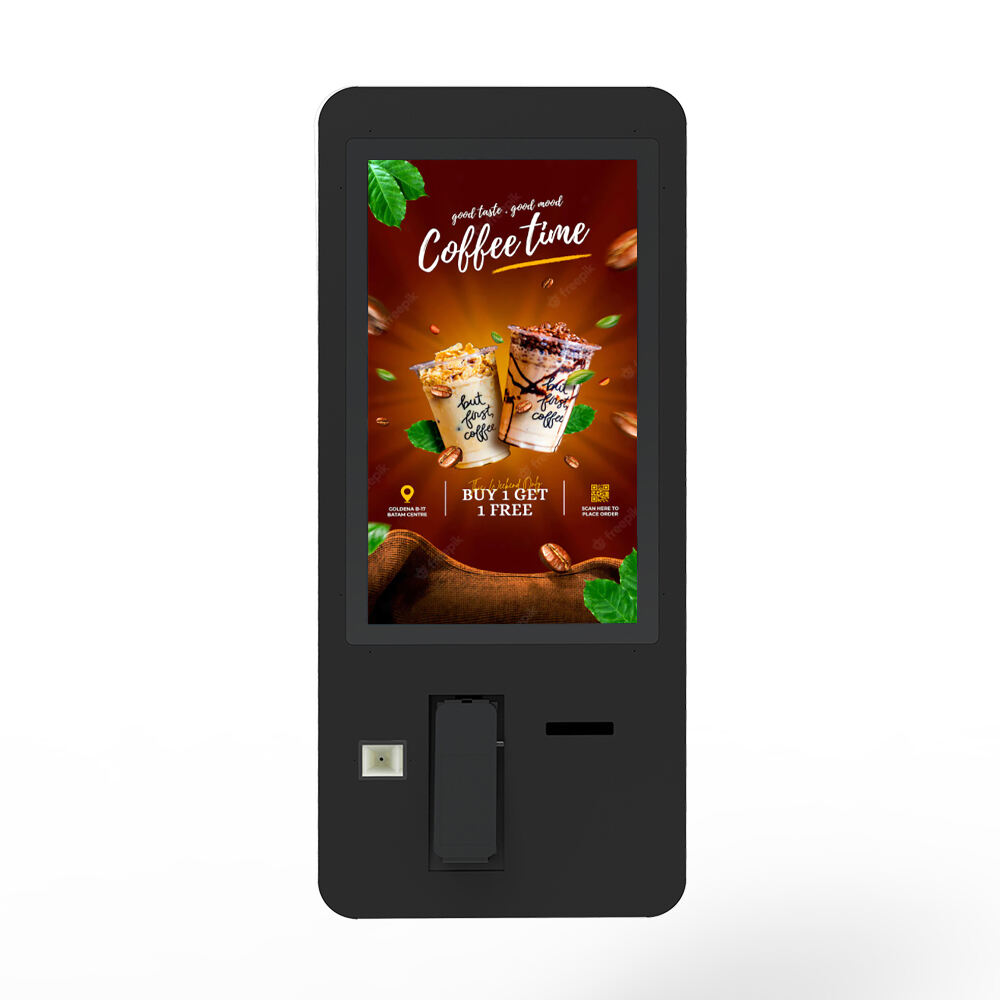
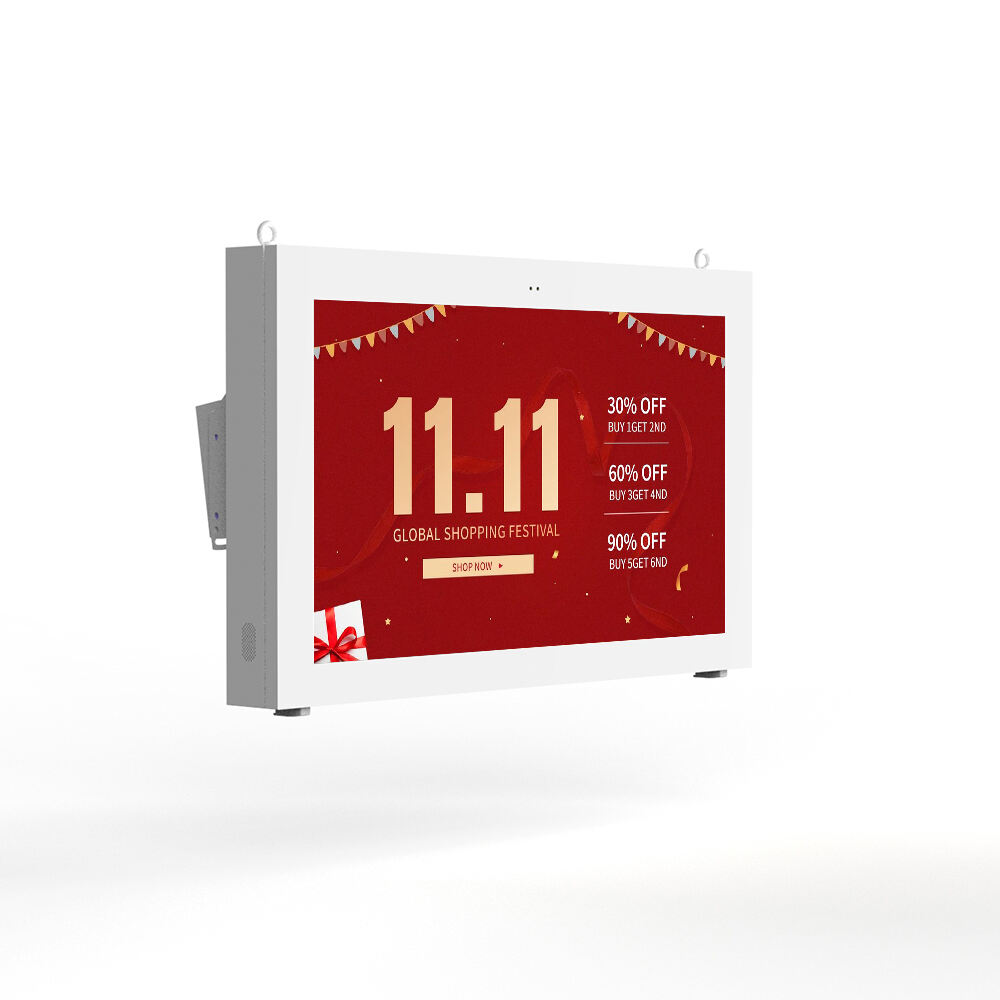
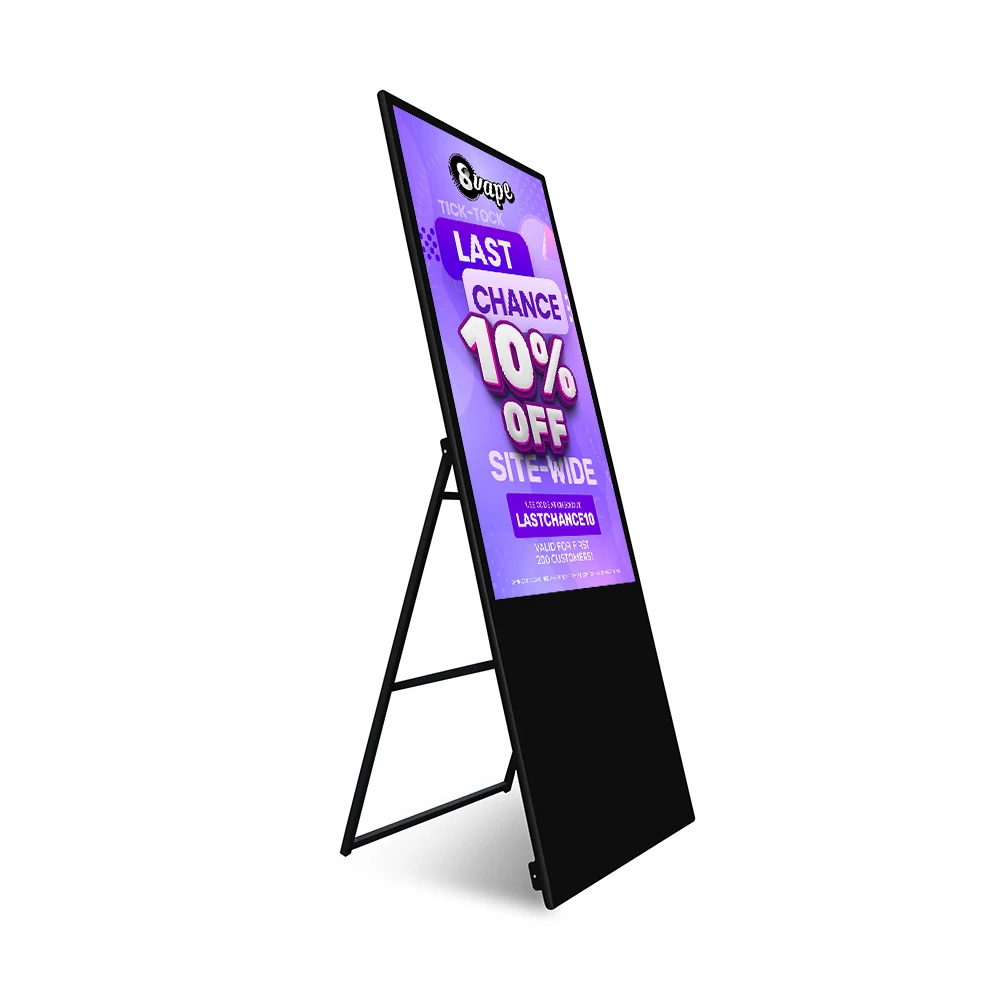
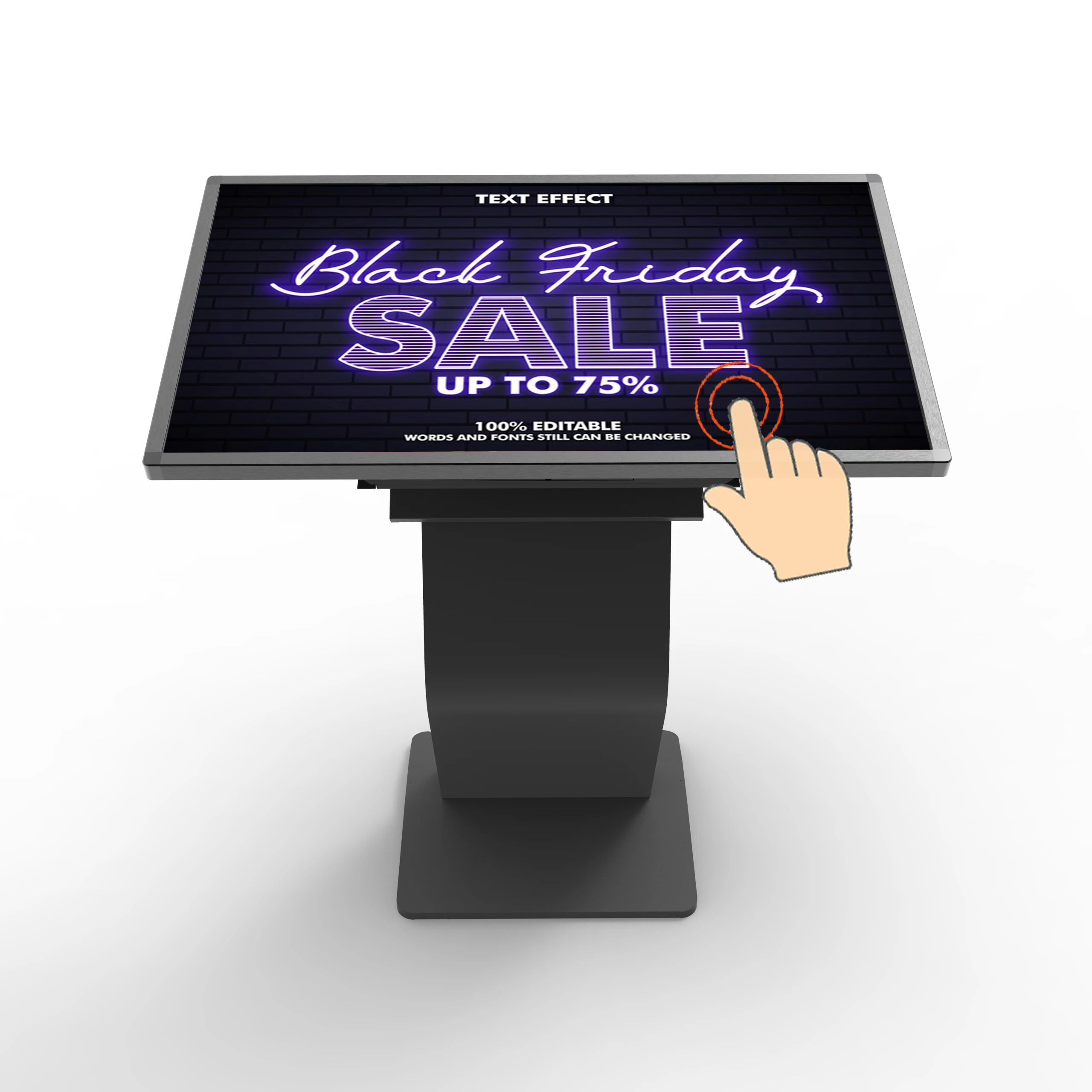
Touch screen technology represents a revolutionary interface that has transformed how we interact with electronic devices. This intuitive input method allows users to directly manipulate content by touching the display surface, eliminating the need for traditional peripheral devices like keyboards and mice. Modern touch screens utilize various technologies, including capacitive sensing, which detects the electrical properties of human touch, and resistive systems that respond to physical pressure. These displays are engineered with multiple layers, including a protective outer layer, conductive elements, and sophisticated sensors that precisely track touch positions and movements. The technology supports various gesture controls, from simple taps to complex multi-touch operations like pinching, zooming, and rotating. Touch screens have become ubiquitous in smartphones, tablets, laptops, point-of-sale systems, and industrial control panels. They excel in providing user-friendly interfaces for applications ranging from mobile gaming to professional design work. The technology's versatility allows for implementation in various environments, from public kiosks to medical equipment, offering durability and reliability in diverse operating conditions.

New Products

Touch screen interfaces offer numerous compelling advantages that make them indispensable in modern technology. First, they provide unparalleled intuitive interaction, allowing users to naturally engage with content through direct manipulation, significantly reducing the learning curve for new users. This immediacy of interaction speeds up task completion and enhances user satisfaction. The elimination of physical buttons and traditional input devices results in more streamlined, space-efficient designs, enabling the creation of sleeker, more portable devices. Touch screens also offer exceptional flexibility, as their interface can completely change based on the application, providing context-specific controls that maximize functionality while minimizing complexity. The technology's durability is another key benefit, as modern touch screens are built to withstand repeated use and can be sealed against dust and moisture, making them ideal for both consumer and industrial applications. From an accessibility standpoint, touch screens provide easier access for users with varying physical abilities, as they require less physical effort than traditional input methods. The technology also supports enhanced productivity through multi-touch capabilities, enabling users to perform complex operations with simple gestures. In educational and commercial settings, touch screens facilitate collaborative work by allowing multiple users to interact simultaneously. The absence of moving parts in touch screen systems results in lower maintenance requirements and increased reliability, reducing long-term operational costs.

Latest News

How Do Advertising Displays Improve Brand Visibility?

24

Jul

How Do Advertising Displays Improve Brand Visibility?

View More
Why Are Advertising Displays Essential for Retail Stores?

24

Jul

Why Are Advertising Displays Essential for Retail Stores?

View More
Why Are Digital Menu Boards Replacing Traditional Menus?

24

Jul

Why Are Digital Menu Boards Replacing Traditional Menus?

View More
What Are the Advantages of Using Digital Menu Boards in QSRs?

24

Jul

What Are the Advantages of Using Digital Menu Boards in QSRs?

View More

Get a Free Quote

Our representative will contact you soon.
Email
Name
Company Name
Message
0/1000

touch screen

Advanced Multi-touch Capabilities

Advanced Multi-touch Capabilities

Modern touch screen technology excels in recognizing and processing multiple simultaneous touch inputs, revolutionizing user interaction possibilities. This sophisticated multi-touch capability enables intuitive gestures such as pinch-to-zoom, two-finger rotation, and complex multi-finger swipes, providing users with unprecedented control over their digital environment. The system can track up to ten distinct touch points simultaneously, allowing for complex input combinations and facilitating collaborative work on larger surfaces. This feature is particularly valuable in creative applications, where users can manipulate multiple elements simultaneously, significantly enhancing productivity and creative freedom. The precision and responsiveness of multi-touch detection ensure smooth, natural interaction, while advanced palm rejection technology prevents unintended inputs, maintaining operational accuracy even during intensive use.
Enhanced Durability and Reliability

Enhanced Durability and Reliability

Touch screens are engineered with exceptional durability to withstand continuous daily use in various environments. The display surface is typically protected by chemically strengthened glass or similar materials that resist scratches, impacts, and general wear. This robust construction ensures consistent performance even in challenging conditions, such as high-traffic public locations or industrial settings. The screens are designed with sealed edges to prevent dust and moisture ingress, maintaining optimal functionality in diverse environmental conditions. Many modern touch screens incorporate oleophobic coatings that resist fingerprints and smudges, keeping the display clear and reducing maintenance requirements. The solid-state design, with no moving parts, significantly reduces the possibility of mechanical failure, ensuring long-term reliability and reduced maintenance costs.
Customizable Interface Adaptability

Customizable Interface Adaptability

Touch screen interfaces offer unprecedented flexibility through their ability to completely transform based on user needs and application requirements. The display can dynamically adjust its layout, button size, and control schemes to optimize user interaction for specific tasks or preferences. This adaptability extends to supporting multiple languages and input methods, making the technology globally accessible. The interface can automatically adjust to different user profiles, providing personalized experiences for different operators. In professional environments, this means the same device can serve various functions by simply switching between different interface layouts, maximizing equipment utility. The customizable nature of touch interfaces also allows for future updates and improvements through software modifications, ensuring the technology remains current and capable of supporting new features without hardware changes.

Get a Free Quote

Our representative will contact you soon.
Email
Name
Company Name
Message
0/1000

Copyright © 2025 Shenzhen YJCen Technology CO.,Ltd. All rights reserved.  -  Privacy policy